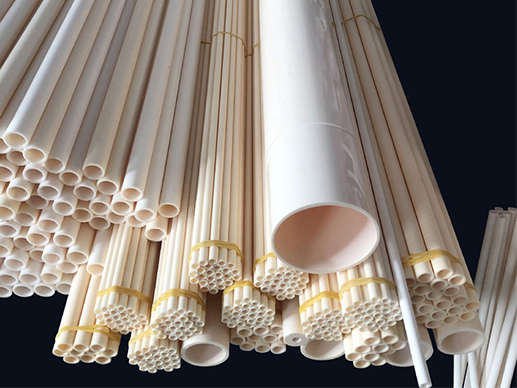
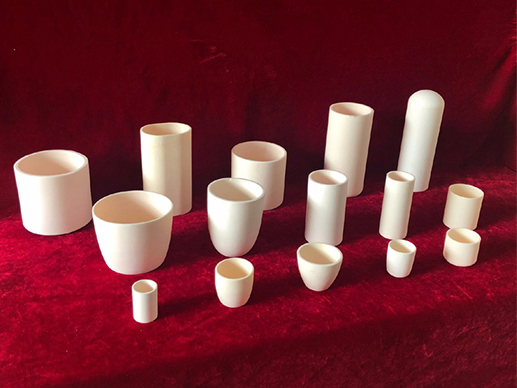
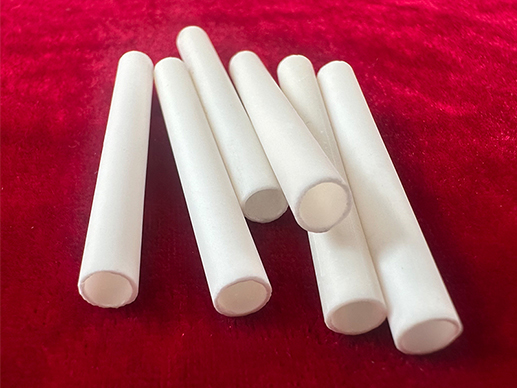
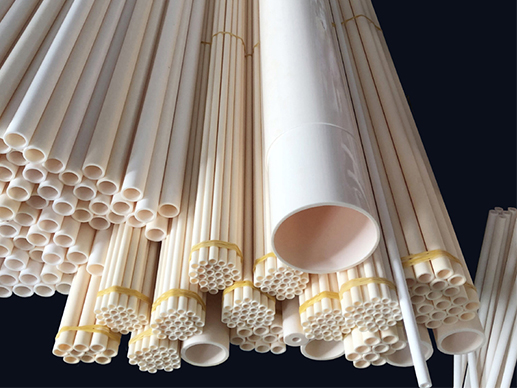
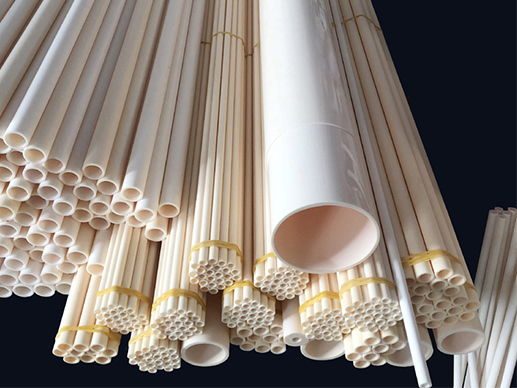
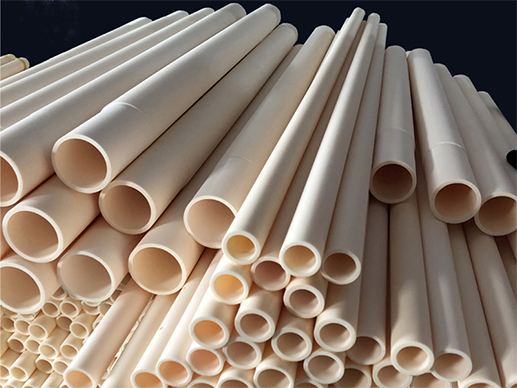
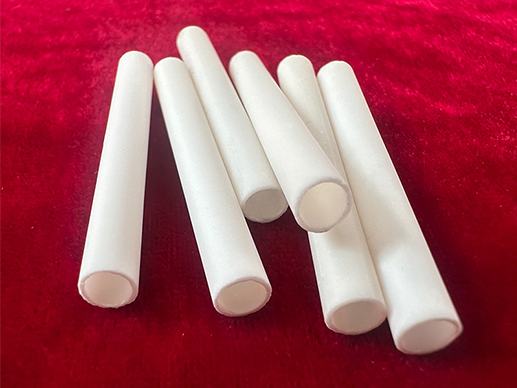
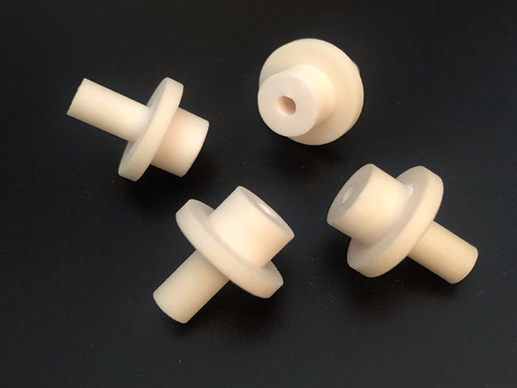
Alumina ceramic tubes are widely used in chemical engineering, metallurgy, semiconductors, new energy and other fields due to their high hardness, high temperature resistance, wear resistance and electrical insulation.
In university laboratories, thermal analysis is a core experimental technique for exploring the thermal behavior of substances and revealing the structural properties of materials across disciplines such as materials science, chemical engineering, and environmental science.
As the core hub for scientific research innovation and talent cultivation in universities, the performance of laboratory consumables directly impacts the accuracy of experimental results, the safety of experimental processes, and the depth of scientific research exploration.
As the global industrial transformation towards high-end and intelligent manufacturing accelerates, thermocouples serve as core components in industrial temperature measurement, and the performance of their protective sleeves directly determines measurement accuracy, equipment safety and service life.
In the high-temperature and corrosive environment of chemical workshops, in the precision sintering processes of new energy batteries, and on the purification production lines of semiconductor wafers, there is always a kind of unassuming core component standing the test silently — alumina ceramic tubes.
Alumina ceramics have long occupied the position of a core material in fields such as machinery, electronics, chemicals, and aerospace, thanks to their advantages in high hardness, wear resistance, corrosion resistance, and high-temperature resistance.
In high-temperature working conditions such as metallurgy, chemical engineering, and aerospace, alumina ceramics have become core materials due to their advantages like high hardness, corrosion resistance, and high-temperature stability.
Industrial alumina ceramic tubes in the field of industrial materials have become core components in high-end industrial fields such as chemical, metallurgical, electronic semiconductor, etc. due to their excellent characteristics of high temperature resistance, corrosion resistance, and high hardness.
Modern spectroscopy systems are increasingly adopting alumina-based ceramic structures, as instrument designers seek greater thermal stability, superior chemical resistance, and more reliable long-term calibration performance.
As an indispensable and crucial component in pipeline systems, flanges are mainly used to connect pipes, equipment, valves and other components. They play important roles such as joining pipelines, ensuring the stability of pipeline systems, achieving sealing of pipeline systems, adapting to different working conditions, and facilitating maintenance.