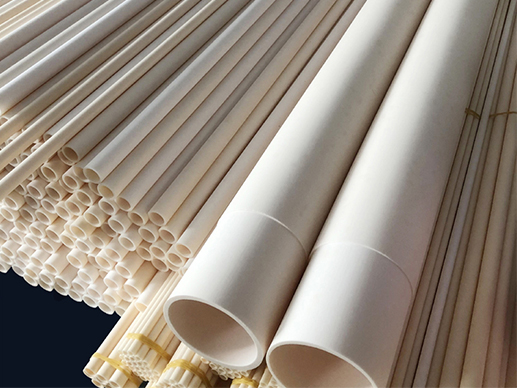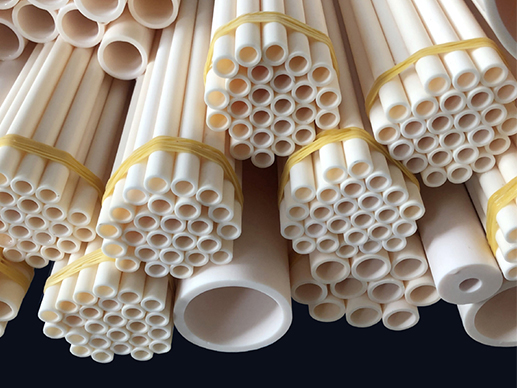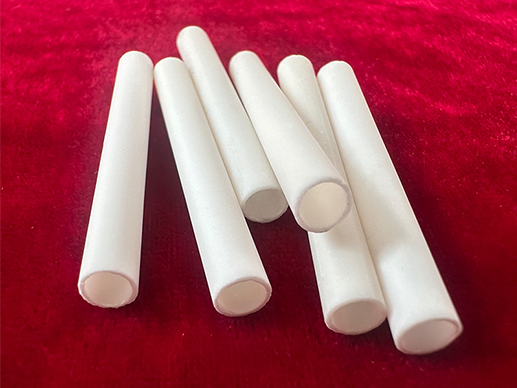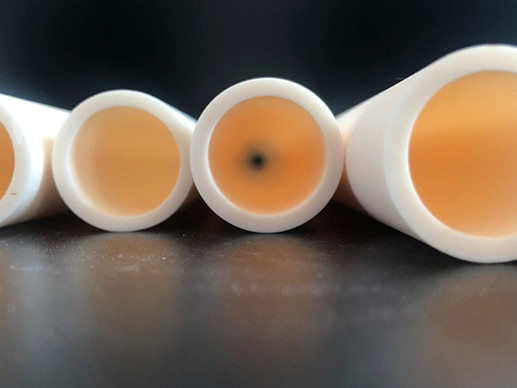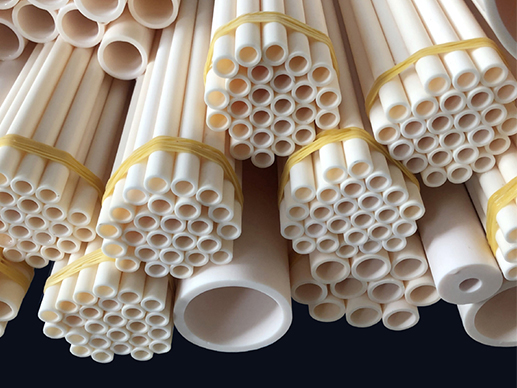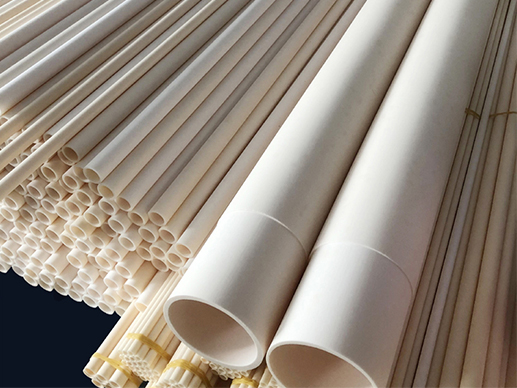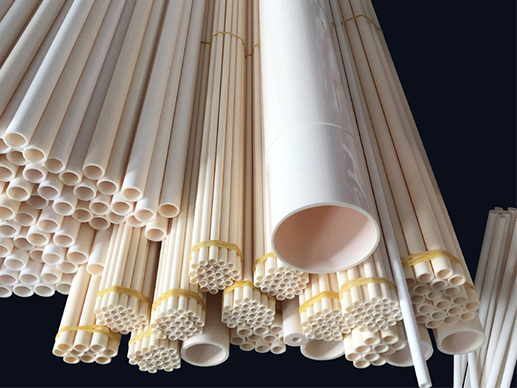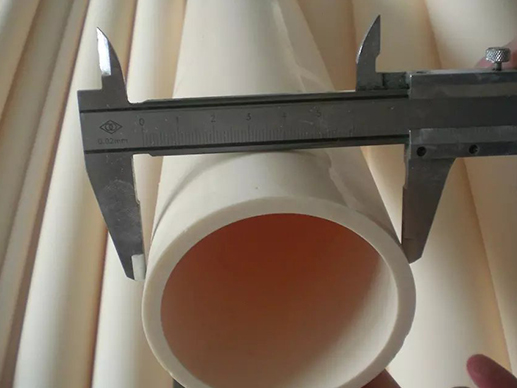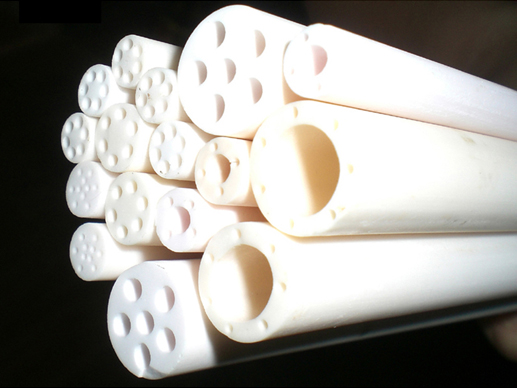
Alumina ceramic tubes are a type of high-performance ceramic material with excellent properties such as high temperature resistance, corrosion resistance and wear resistance, thus being widely used in many fields.
In various electric heating devices, ranging from household electric ovens and electric heating tubes to industrial heating equipment that needs to work continuously at high temperatures, you will find that almost all ceramic resistance rods are made of alumina (Al₂O₃) ceramics, especially high-purity 96% or 99% alumina.
In the vast universe of industrial materials, an ostensibly ordinary ring-shaped object is quietly rewriting the rules of the game. It is not metal, yet harder than metal; not plastic, yet more resistant to high temperatures than plastic; not rubber, yet more corrosion-resistant than rubber. It is the alumina ceramic ring, hailed as the "industrial teeth".
Industrial ceramics are almost ubiquitous in industry due to their properties such as high hardness, high strength, high temperature resistance, and corrosion resistance.
Black alumina ceramic is a highly important and widely used advanced engineering ceramic. It is sintered from a high-purity alumina (Al₂O₃) matrix through special processes, such as adding transition metal oxide colorants like MnO₂, CoO, and Cr₂O₃.
Alumina ceramic, also known as alumina or aluminum oxide (Al2O3), is an alumna industrial ceramic known for its extreme hardness and high thermal conductivity.
Alumina industrial ceramic tube is a type of ceramic material with alumina (Al₂O₃) as its main component. Next, we will introduce the corrosion resistance and installation precautions of alumina industrial ceramic tubes.
Alumina is a versatile material with an extremely wide range of applications. Firstly, it exhibits excellent hardness and corrosion resistance, along with high physical performance and chemical stability, making it widely used in the manufacturing of ceramics, abrasive materials, chemical raw materials, and more.