Alumina ceramics are known as the "teeth of industry". With a Mohs hardness of up to 9, their wear resistance is 266 times that of manganese steel, and they can operate stably for a long time at a high temperature of 1400℃.
As a core category in the field of advanced ceramics, alumina ceramics, with their extraordinary properties far exceeding those of traditional materials, have become a key force driving industrial upgrading and breaking through technical bottlenecks, and are quietly transforming our production, daily life and technological landscape.
As the "king of cost performance" in the field of special ceramics, alumina ceramic parts, with their outstanding properties such as high temperature resistance, excellent insulation, and corrosion and wear resistance, have quietly penetrated into many core sectors of the national economy including new energy, electronics, chemical engineering, and medical treatment.
Exceptional hardness, wear and corrosion resistance build a strong "protective shield" for industrial applications.
One of the most remarkable characteristics of alumina ceramic components is their ultra-high hardness and excellent wear resistance.
As a core basic material for high-end manufacturing, industrial ceramics can be classified into three major categories by material system, covering a full range of application requirements including high temperature resistance, wear resistance, insulation and corrosion resistance, providing precise selection solutions for buyers.
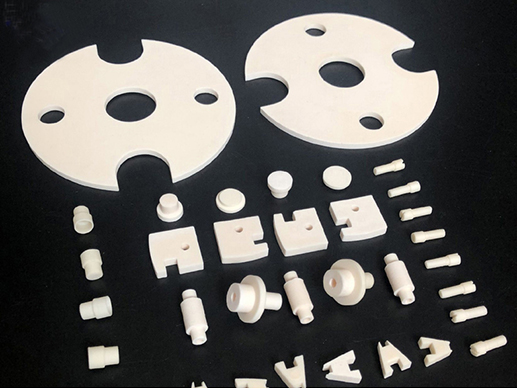
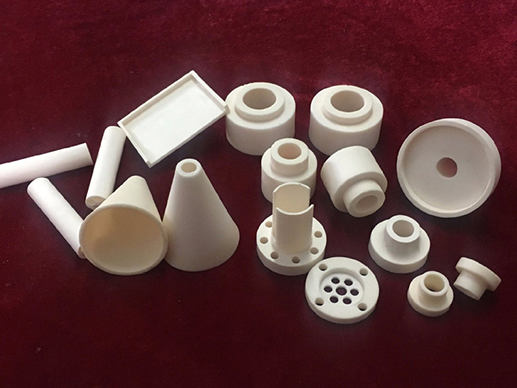
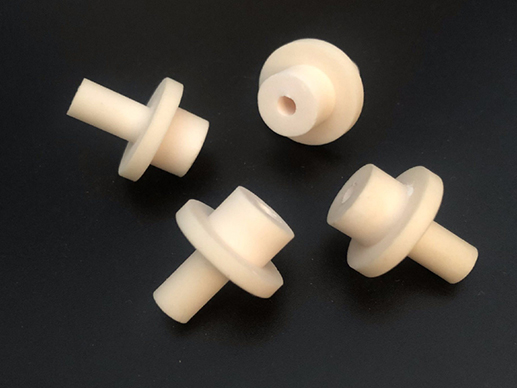
Industrial alumina ceramic parts are mainly used in industries such as petroleum, chemical, and machinery. The use of mechanical plunger instead of metal plunger solves the problem of poor corrosion resistance and low working temperature resistance of metal plunger, which leads to short equipment usage time.
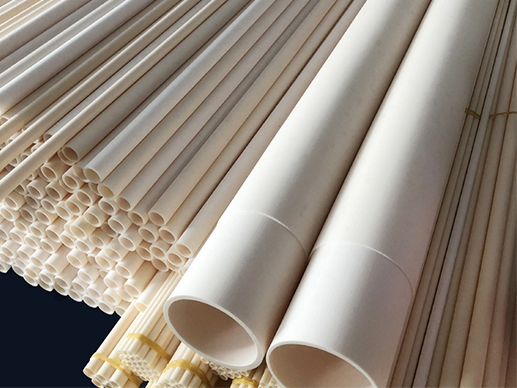
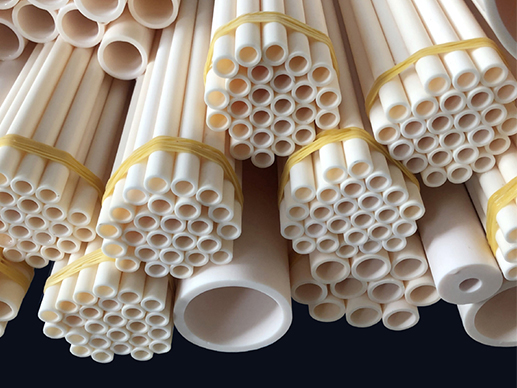
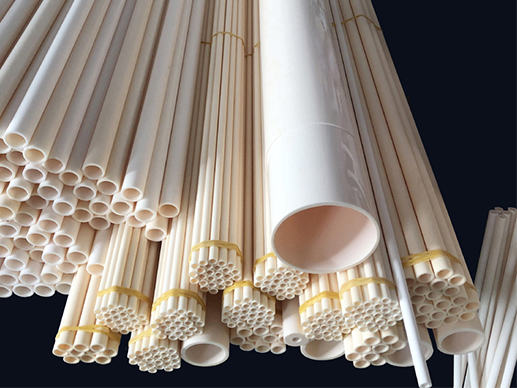
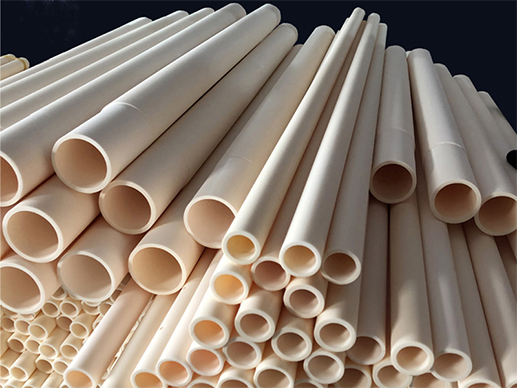
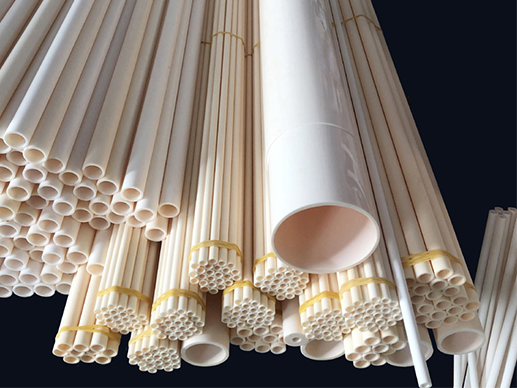
Alumina ceramic tubes have become a high-performance alternative to metal tubes, rubber tubes and ordinary ceramic tubes. With stable material structure and excellent comprehensive properties, alumina ceramic tubes significantly extend equipment service life and reduce operation and maintenance costs, making them the mainstream choice for purchasers.
Thanks to its advantages of high temperature resistance, good insulation and high mechanical strength, alumina ceramics have become core fundamental materials in fields such as electronic packaging, high-temperature kilns and new energy.
In recent years, with the rapid development and upgrading of the electronics, new energy, semiconductor, and high-end equipment industries, alumina ceramics, as a core insulating and heat-dissipating material, have attracted extensive attention in the industry for their thermal properties.
Relying on its unique material properties, alumina industrial ceramic tubes boast five core advantages that set them apart from traditional metal and plastic tubes. They fully meet the application demands of complex industrial environments and have become the preferred material in the industrial sector nowadays.