Get the latest price? We will reply as soon as possible (within 12 hours)

  • What is the thermal conductivity of alumina ceramics? How to detect?
    05-30/2022
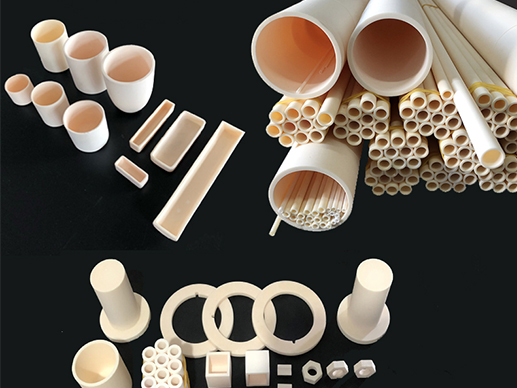
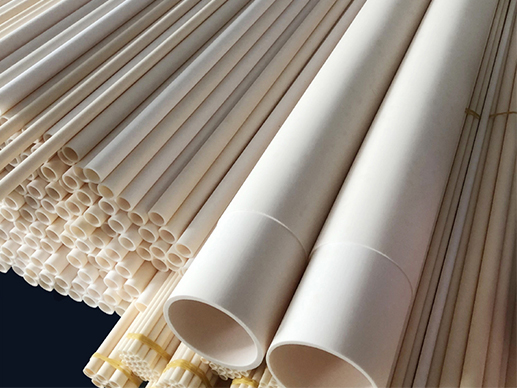
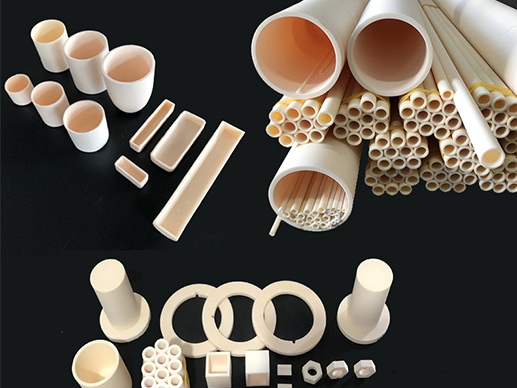
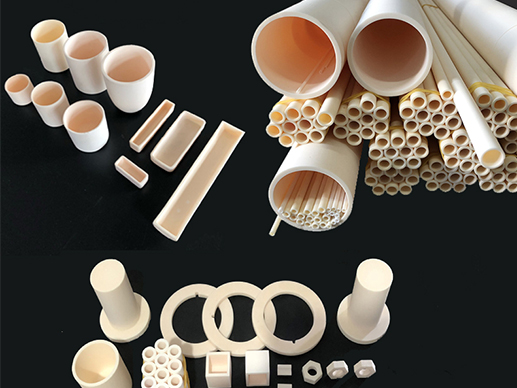
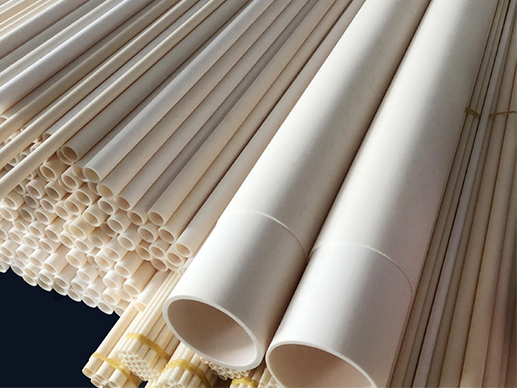
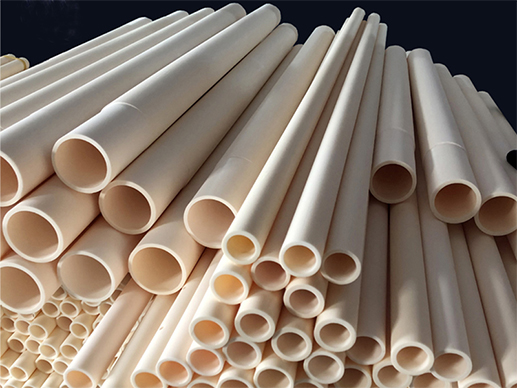
    Remember, when it comes to reliability, durability, and performance, our alumina ceramic tube stands tall, ready to transform your operations. Choose excellence, choose our Improvement of Alumina Ceramic Processing Method.
  • How can alumina industrial ceramics meet customer requirements?
    05-13/2022
    Appealing to European and American Customers: We understand the specific preferences of our European and American customers, and Alumina Industrial Ceramics perfectly aligns with their requirements. Our product guarantees: (2) The strength is high, which can meet the requirements of material strength for the repair of load-bearing parts; (3) High hardness, no creep phenomenon, stable structure;
  • Technological Advances in High Purity Alumina Ceramics
    04-29/2022
    The development and production of Al2O3 porcelain originated in Germany. Since then, major American companies have successively developed various Al2O3 ceramics. In the field of research, they consider ceramic and metallization technologies together, so that the two can be better matched and adapted.
  • Measures to Improve Thermal Shock Resistance of Al2O3 Ceramics
    04-21/2022
    Alumina ceramic tubes have a wide range of applications, involving high temperature testing and analysis equipment in various industries, such as coal testing and analysis equipment, metallurgical powder testing and analysis equipment, chemical and glass industry testing and analysis equipment, etc.
  • Influencing factors of thermal shock resistance of alumina ceramics
    04-18/2022
    The microstructural characteristics of alumina ceramics, such as grain size, microcracks, porosity and pore distribution, etc., will have an important impact on its thermal shock resistance.
  • How to test the thermal conductivity of alumina ceramics
    11-29/2021
    Alumina ceramics is a ceramic material with alumina (Al2O3) as the main body, used for thick film integrated circuits. Alumina ceramics have good conductivity, mechanical strength and high temperature resistance. It should be noted that ultrasonic cleaning is required. Alumina ceramics is a kind of ceramics with a wide range of uses. Because of its superior performance, it has become more and more widely used in modern society to meet the needs of daily use and special performance.
  • What is alumina ceramics
    11-10/2021
    Alumina ceramics is an industrial ceramic with high hardness, which can only be processed by diamond grinding. It is made of bauxite and can be processed by injection molding, pressing, isostatic pressing, sliding castings and other methods.
  • The properties of alumina ceramics
    11-05/2021
    High temperature resistance: Alumina ceramics can be used in the atmosphere up to 1650°C or 2900°F, and in the vacuum environment of 2000°C or 3600°F. At 1000 degrees Celsius, it maintains 50% of its tensile strength at room temperature. Although the strength of metals is weakened in high temperature environments, alumina ceramics retain their strength when they return to normal temperatures and remain unchanged. Alumina ceramics have high electrical resistivity and can reduce thermal shock, and increased purity will increase their electrical resistivity. Alumina ceramics become a perfect insulating material due to its dielectric level, etc., and current cannot pass through them.
  • Analysis on the quality of alumina ceramics
    10-29/2021
    Because alumina ceramics have relatively unique properties and have been valued in the market, the main thing is that they have also attracted the development and research of researchers, so that it can be used in air pollution control, the possibility of molten metal filtration, etc. However, many existing problems still need to be resolved in a timely and effective manner.
  • How much do you know about alumina ceramics?
    10-19/2021
    First of all, we want to introduce the crystal types of alumina. Alumina has three types of crystals, ionic crystals and atomic crystals, and one is somewhere in between. So, what does it have to do with alumina ceramics? Because there are atomic crystals in the crystals of alumina ceramics, the atomic crystals have the effect of not being afraid of alkalis and acids. Other alumina crystals, such as ionic crystals, will be converted into acid and alkali.