Get the latest price? We will reply as soon as possible (within 12 hours)

  • alumina ceramic beads features and applications
    01-07/2020
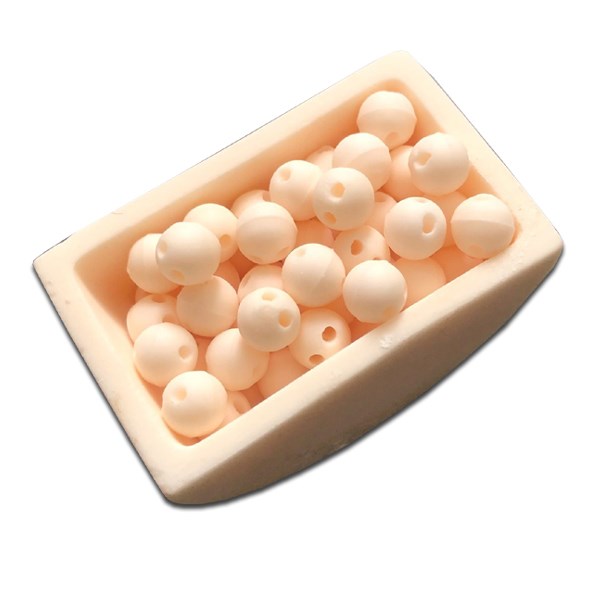
    Recently, as a high-performance inorganic non-metallic material, alumina ceramic beads boast unique advantages and have been widely applied in multiple industrial fields including petrochemicals, new energy and environmental protection. They serve as a crucial supporting material driving industrial upgrading, and their excellent properties and diverse application scenarios have attracted extensive attention across the industry.
  • alumina ceramic sintering method
    01-07/2020
    With outstanding properties such as high hardness, high temperature resistance, corrosion resistance and excellent electrical insulation, alumina ceramics are known as "high-performance core materials" in the advanced manufacturing sector. As a critical process that determines product performance and cost, its sintering technology has long attracted extensive attention across the industry.
  • Why is industrial ceramic not transparent?
    01-07/2020
    Alumina ceramic is a polycrystalline inorganic material composed of multiphase structures including grains, grain boundaries, pores, and impurities, which constitutes the essential root cause of its opacity.
  • Development and application of alumina ceramic parts!
    01-07/2020
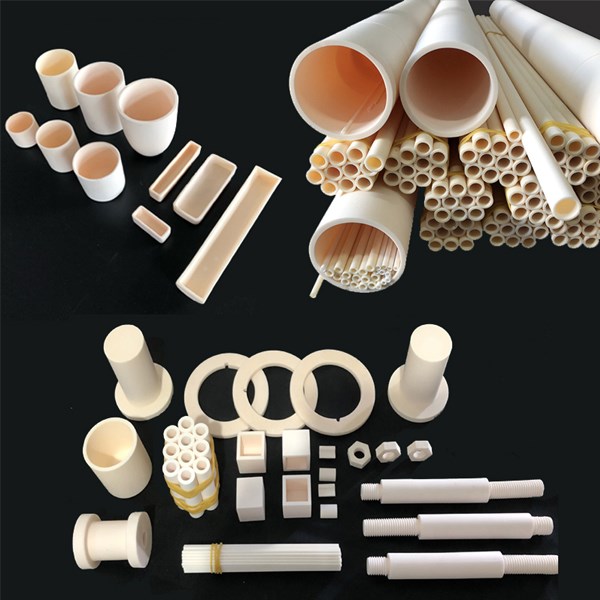
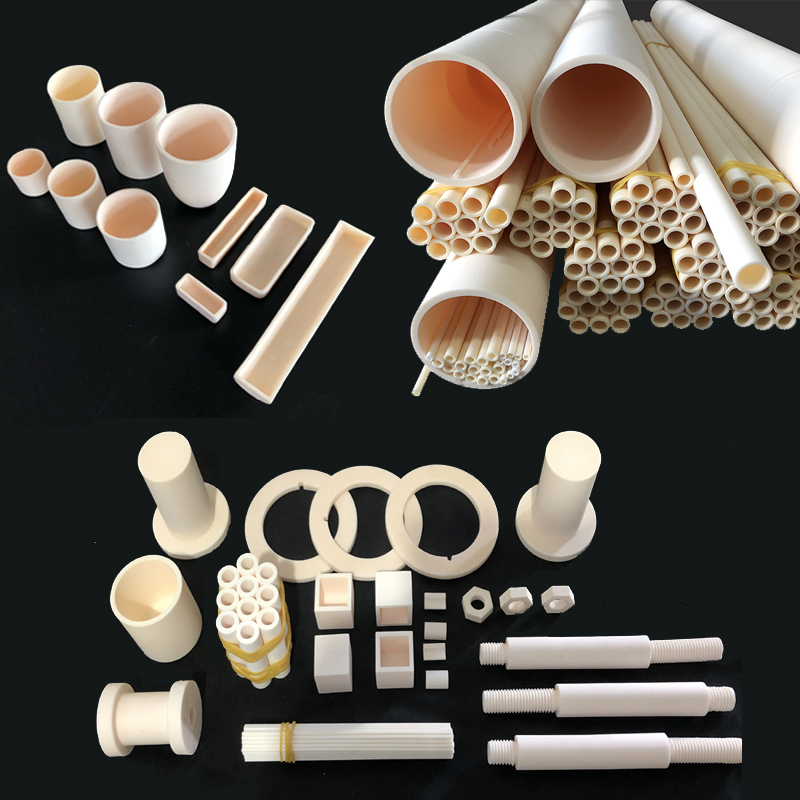
    Alumina ceramic is an advanced ceramic material sintered at high temperature with high-purity α-Al₂O₃ as the main raw material. It features a unique combination of properties, perfectly meeting the requirements of extreme working conditions and precision applications.
  • Identification Methods of Alumina Ceramic Tablets
    10-24/2019
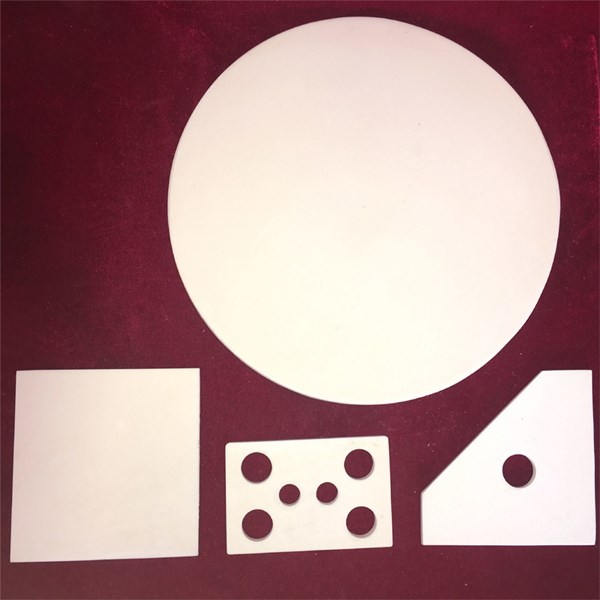
    Visual inspection serves as the most convenient primary screening method, allowing quick detection of obvious defects without the need for professional tools. High-quality alumina ceramic sheets feature a flat, smooth surface with a fine, burr-free touch and a jade-like gentle luster. They are free from defects such as scratches, cracks, air pores, black spots, and edge chipping, with a uniform and consistent color.
  • Forming Process of Alumina Ceramics
    10-22/2019
    As a core step in the preparation of alumina ceramics, the molding process directly determines the product’s density, uniformity and final performance.At present, the mainstream molding technologies in the industry are continuously optimized and upgraded, forming mature solutions suitable for different application scenarios.
  • Manufacturing Technology of Alumina Ceramics
    10-22/2019
    As a high-performance inorganic non-metallic material, alumina ceramics are widely used in many key industries such as electronics and electrical engineering, automotive manufacturing, medical devices, aerospace, mining, and building materials due to their core properties including high hardness, high temperature resistance, corrosion resistance, and excellent electrical insulation.
  • Discussion about the alumina ceramic
    10-22/2019
    Alumina ceramic is an advanced ceramic material made from high-purity alumina as the main raw material through precision forming, high-temperature sintering and other processes. Compared with traditional ceramics, it has achieved a qualitative leap in performance. Data shows that high-purity alumina ceramic can reach a hardness of HV1400-1800, and its service life is 5 to 10 times longer than that of traditional wear-resistant materials.