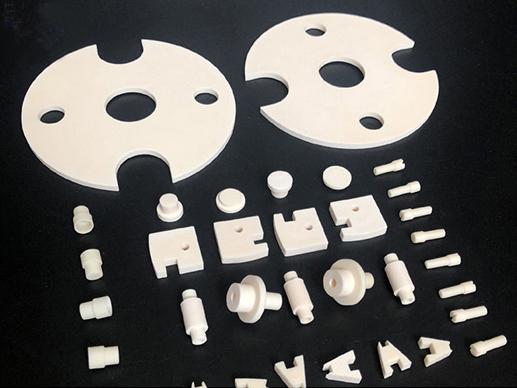
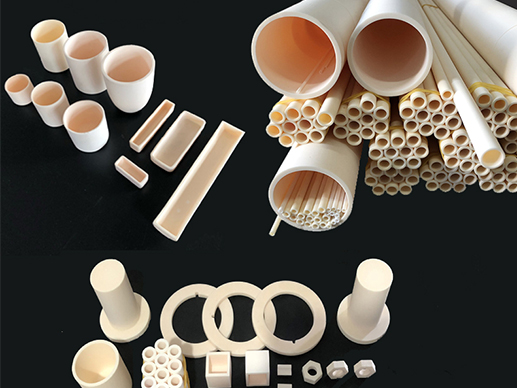
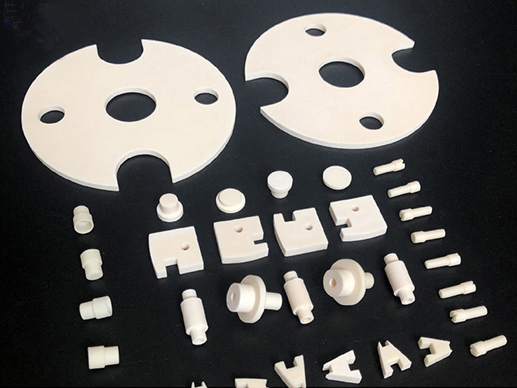
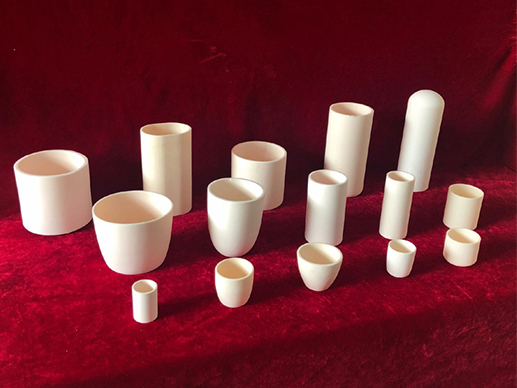
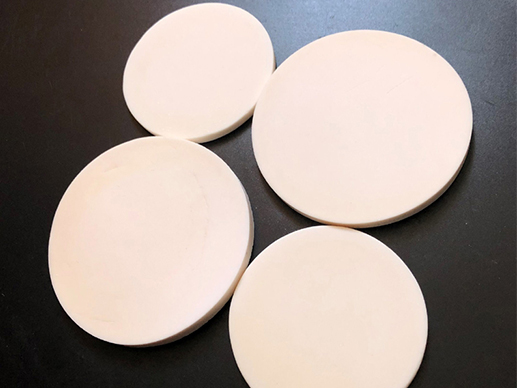
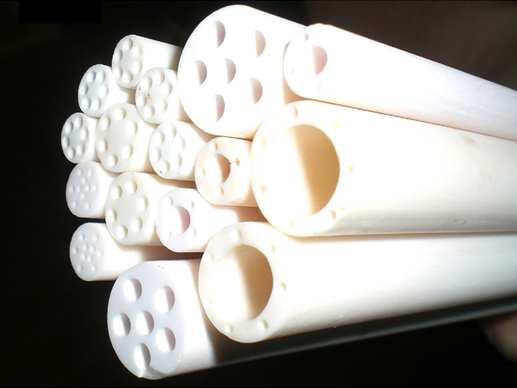
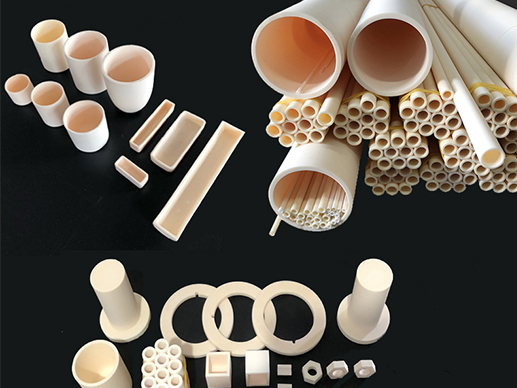
High-purity alumina ceramics are important ceramic materials that use high-purity ultra-fine alumina as the main raw material and α-Al₂O₃ as the main crystalline phase.
Within the large-scale equipment system of lithography machines, there is another type of key material quietly playing a crucial role—alumina ceramics.
Alumina ceramic components possess excellent properties such as high hardness, high mechanical strength, ultra-wear resistance, high temperature resistance, high electrical resistivity, and good electrical insulation performance.
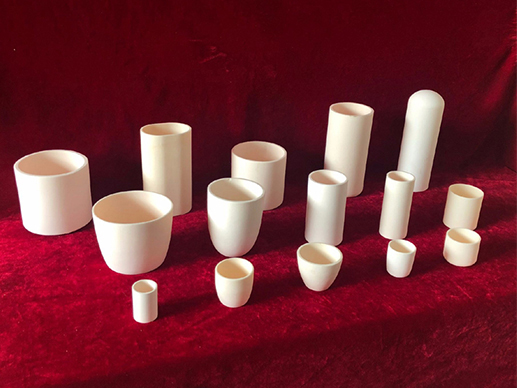
Modern ceramic crucibles are high-temperature-resistant containers made from high-purity ceramic materials (such as quartz, aluminum oxide, boron nitride, zirconium oxide, etc.) as the base material through a precise high-temperature sintering process.
In the field of weapons and equipment, ceramic composites have become one of the core materials for modern armored protection systems due to their unique physical and chemical properties.
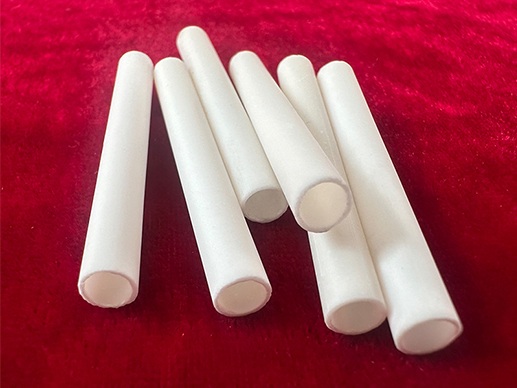
Wear resistant alumina ceramics greatly improve the smoothness and sealing of industrial pipeline systems. Improving the safety and stability of equipment operation systems will play a positive role in promoting environmental protection, energy conservation, and environmental protection.
In the vast field of modern industry, there is a material quietly playing a crucial role, which is industrial alumina ceramics. As an advanced ceramic material mainly composed of aluminum oxide (Al ₂ O ∝)