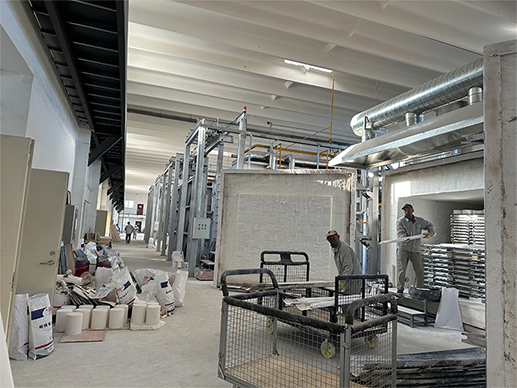
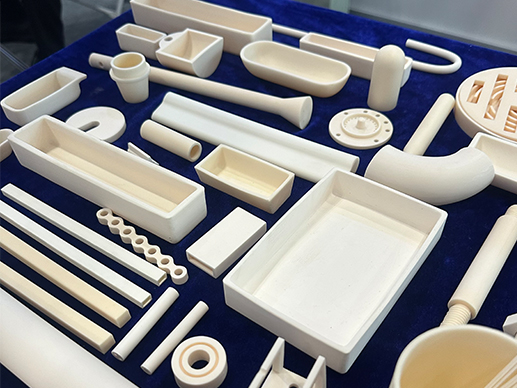
As one of the most widely used advanced ceramic materials in the industrial field, the performance optimization of alumina ceramics has always been a core topic in scientific research and industry.
Industrial ceramics, especially alumina ceramics, have become the "hidden champions" in the field of high-end manufacturing due to their excellent hardness, wear resistance, and high-temperature resistance.
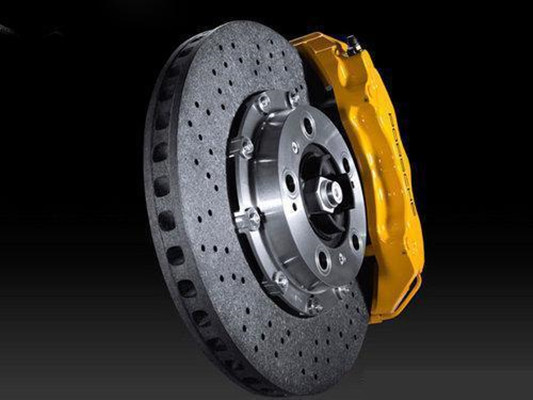
With the rapid development of the high-end manufacturing sector, industrial ceramics have become a key material in the precision manufacturing processes of industries such as semiconductor equipment, aerospace, new energy, and medical devices, thanks to their superior hardness, wear resistance, high-temperature resistance, and chemical stability.
Traditional liquid battery separators (such as PE/PP) are prone to melting and shrinking at high temperatures, leading to short circuits between the positive and negative electrodes.
In the field of materials science, customized porous alumina ceramics are gradually becoming the focus of attention in numerous industries, relying on their unique properties.
Recently, an alumina ceramic rod, a ceramic material known as "industrial diamond," has attracted significant attention from the global academic, research, and industrial communities.
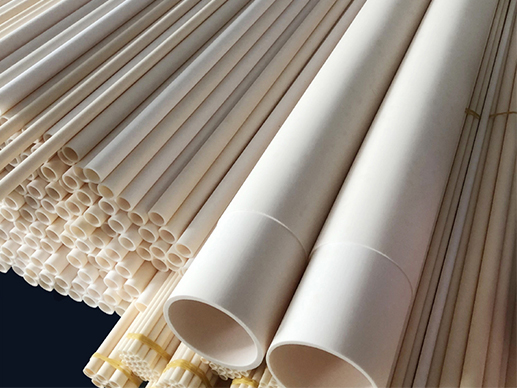
In the complex landscape of modern industry, industrial ceramic tubes are emerging prominently with their superior performance, becoming indispensable key components in numerous fields.
In recent years, a high-performance material—alumina ceramics—has gradually emerged in the field of oil and gas drilling equipment, demonstrating remarkable application prospects.
Microcrystalline alumina ceramics refer to alumina ceramic materials that use high-purity α-Al₂O₃ powder as the main raw material, are fabricated through ceramic processing techniques.