Ceramic Tube for Furnace
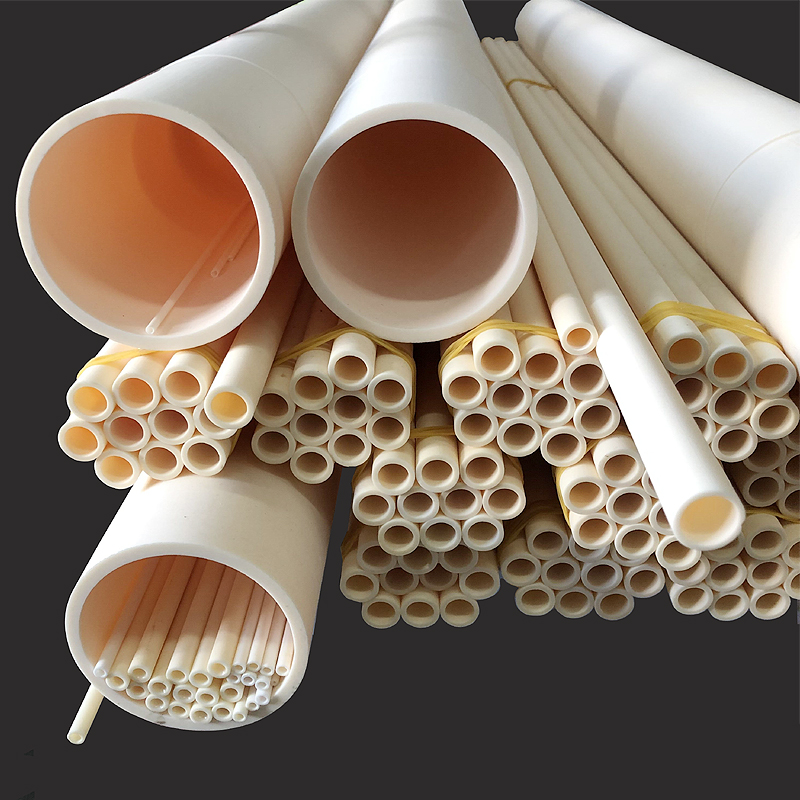
Practical application advantages
1. Excellent material performance
The hardness of high-purity alumina ceramics can reach above HRA90, and its wear resistance is more than 10 times that of ordinary metal materials, making it suitable for the conveying scenarios of materials containing solid particles.
High-purity alumina ceramics can withstand high-temperature environments above 1200°C. Some silicon carbide materials can even work for a long time at 1400°C while maintaining structural integrity.
High-purity alumina ceramics can resist the erosion of acids, alkalis, salts and corrosive gases, and are particularly suitable for highly corrosive environments such as the chemical and metallurgical industries.
2. Structural design optimization
Alumina ceramic material itself has low electrical conductivity, which reduces the accumulation of static electricity and makes it suitable for the production of electronic components.
The precisely processed smooth surface reduces the adhesion of materials, minimizes the risk of blockage, and simultaneously enhances the scratch resistance.
3. Significant economic benefits
The service life of the alumina ceramic tube is 3 to 5 times longer than that of the metal tube, reducing the frequency of shutdown for replacement.
Suitable for industrial furnace types
1. Metallurgical Industrial Furnaces
In vacuum degassing and secondary steelmaking (refining outside the furnace), alumina ceramic tubes serve as the conveying channels for inert gases or alloy additives to avoid the contamination of molten steel.
2. Heat Treatment Furnace
Combined with a vacuum or inert gas environment, the alumina ceramic tube is used to protect the heating element, prevent oxidation and improve the thermal efficiency.
The alumina ceramic tube can transport corrosive media.
It can replace the metal heat exchanger, achieve efficient heat exchange in the flue gas at 1300°C, and extend the service life of the equipment.
4. Electrical and Electronic Industrial Furnaces
The alumina ceramic tube, as the inner lining of the furnace chamber, isolates the materials from external contamination and is suitable for the heat treatment of precision materials.
Size,Performance index
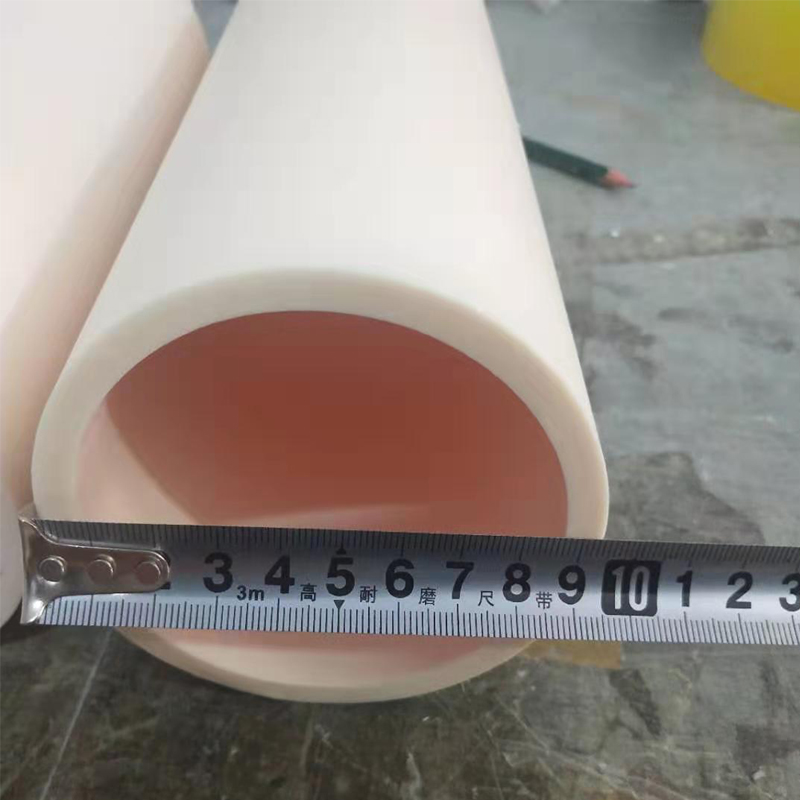
Alumina Tube(open both ends)(slip casting) Specification Table:
Factory Equipment
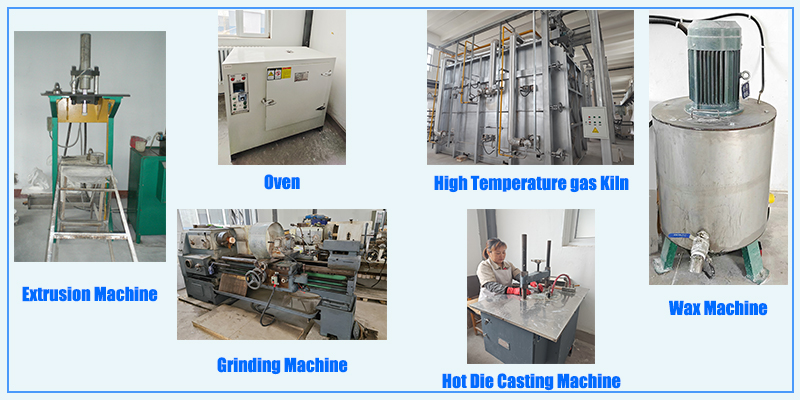
Slip casting moulding: Inject the prepared slurry into the gypsum mold and let it stand for a period of time to allow the gypsum mold to absorb moisture. The slurry forms a uniform body on the inner wall of the mold.
Injection moulding: Inject a slurry containing paraffin into a metal mold at a certain temperature and pressure, and after the body cools and solidifies, perform demolding to prepare ceramic bodies.
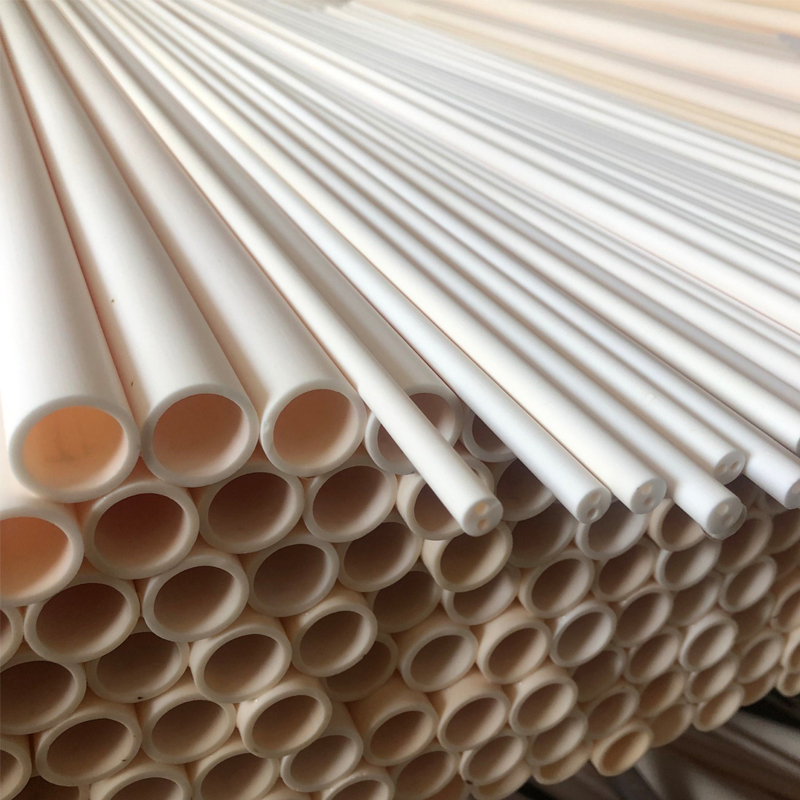
Extrusion moulding: Suitable for long tube products, the powder is extruded into shape through an extruder.
FAQ
A1. Certainly, alumina ceramic tubes demonstrate commendable thermal shock resistance, enabling them to endure rapid temperature fluctuations without experiencing cracks or fractures.
A2. Indeed, numerous suppliers provide the option to customize alumina ceramic furnace tubes according to specific requirements. This customization may involve modifications to dimensions, form, and the incorporation of additional features, ensuring alignment with the precise needs of your application.
A3. The durability of alumina ceramic tubes can differ based on factors like application conditions, operational temperatures, and maintenance proced.
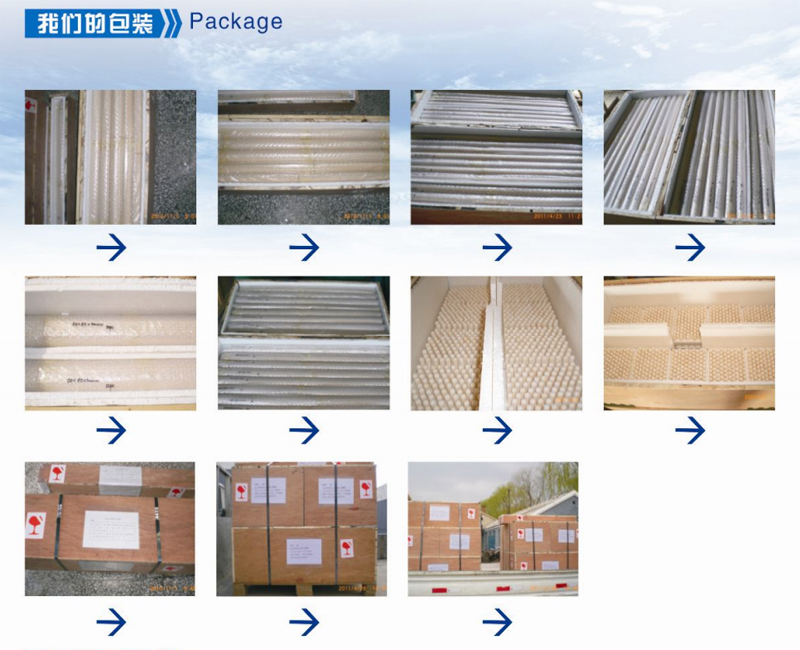
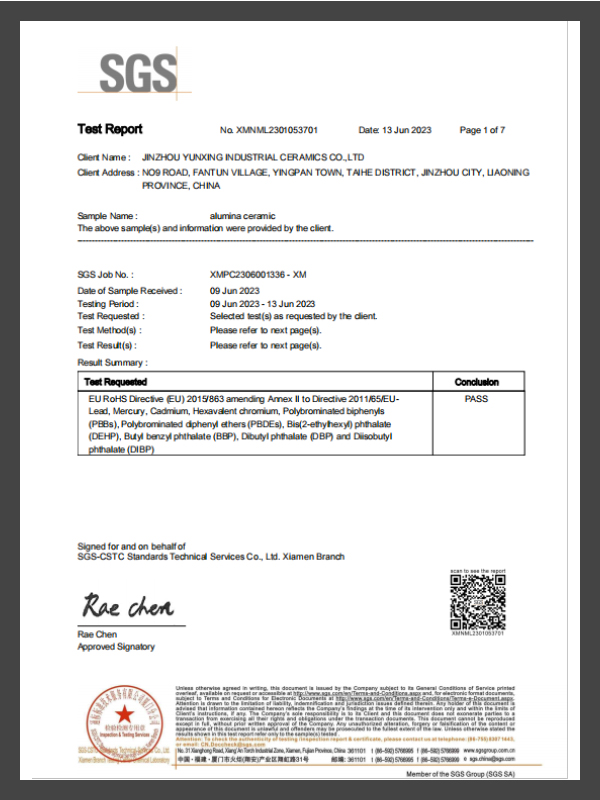
Certificate
The company is certified with ISO9001, SGS and German DIN certifications.
Feedback
2. For any other satisfaction, please also feedback to us to make our service better and better.
WhatsApp: +8615840403619 Email: jzyx_aluminacera@163.com