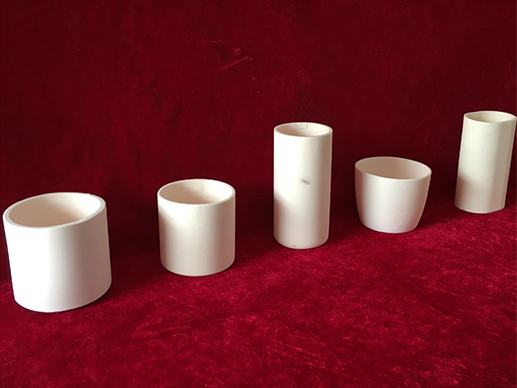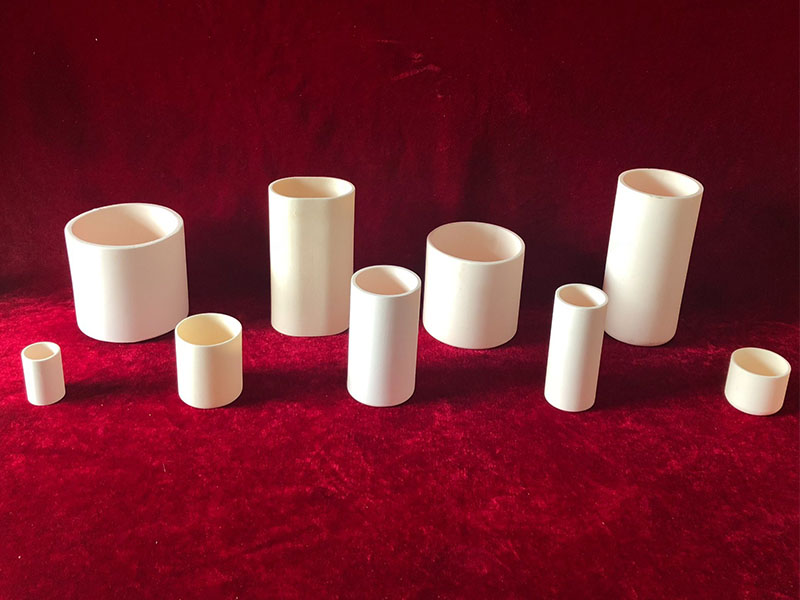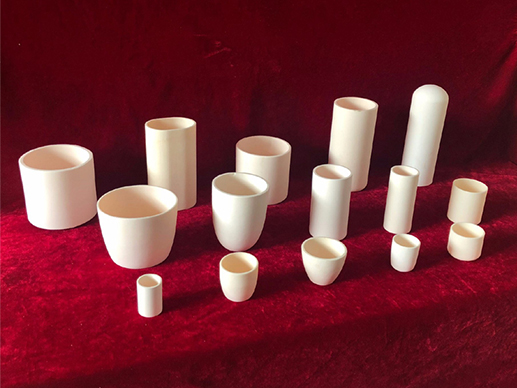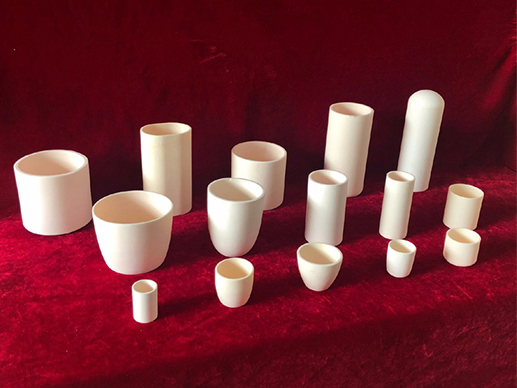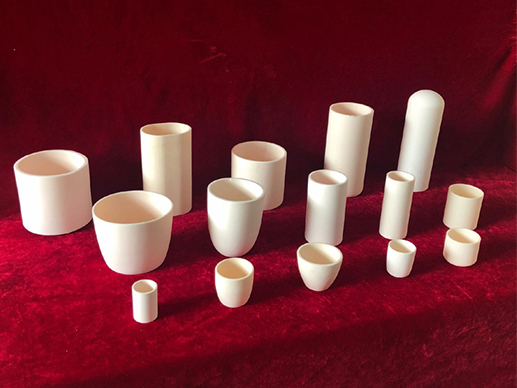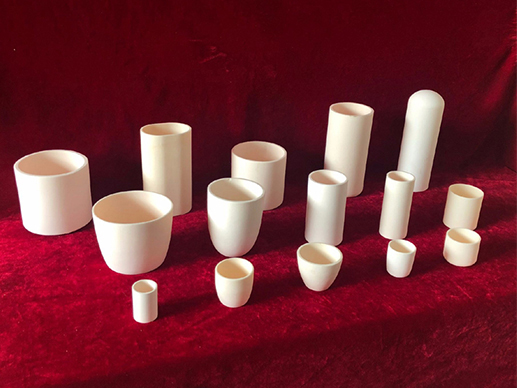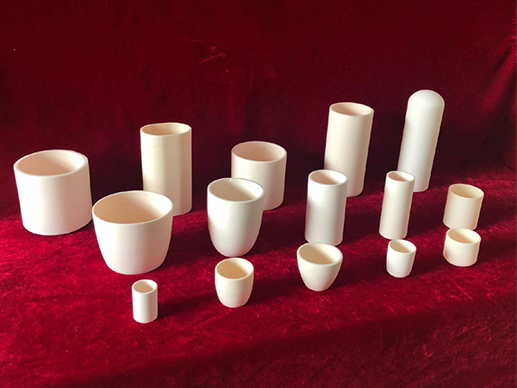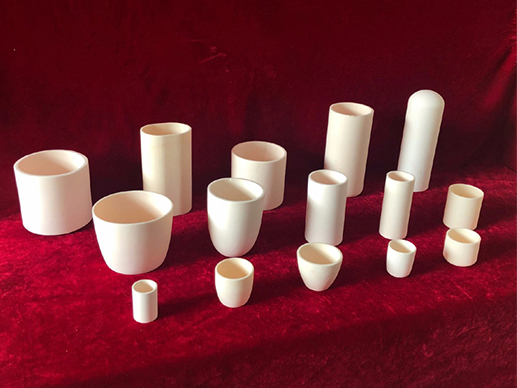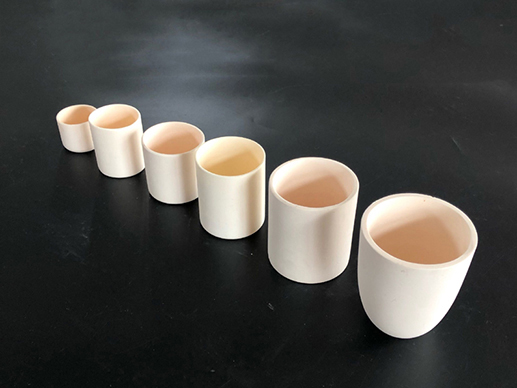
The core requirements of ceramic crucibles for high-temperature experiments focus on three dimensions: temperature resistance, chemical stability, and thermal stability. Alumina ceramic crucibles precisely meet these demands.
In university laboratories, thermal analysis is a core experimental technique for exploring the thermal behavior of substances and revealing the structural properties of materials across disciplines such as materials science, chemical engineering, and environmental science.
Modern ceramic crucibles are high-temperature-resistant containers made from high-purity ceramic materials (such as quartz, aluminum oxide, boron nitride, zirconium oxide, etc.) as the base material through a precise high-temperature sintering process.
With the rapid development of high-temperature materials science, high-purity alumina crucibles (alumina content ≥99%) have become key tools for high-temperature experiments in laboratories and industries, thanks to their excellent high-temperature stability.
alumina (Al₂O₃) crucibles have emerged as "cold-faced warriors" safeguarding the stable operation of high-temperature processes, thanks to their exceptional thermal shock resistance.
In key fields such as precious metal smelting, jewelry detection, and electronics industry, the accuracy of assay results is directly linked to production efficiency and economic benefits.
In the fields of scientific research, metallurgy, and chemical engineering, alumina crucibles have become the core containers for high-temperature experiments due to their characteristics of high-temperature resistance and corrosion resistance.
In a recent groundbreaking study, scientists have delved deep into the complex relationship between crucible materials and the kinetics of thermal reactions. The findings not only shed light on fundamental chemical processes but also have far - reaching implications for various industries, from materials science to metallurgy.
Alumina ceramic crucible is a laboratory vessel made of high-purity aluminum oxide material, which has excellent heat resistance and chemical stability, and can withstand chemical reactions and sintering processes in high temperature environments. It is widely used in laboratories and industrial fields for melting samples, sintering powders, combustion analysis, and high-temperature experiments.