Alumina has long played an important role in the national economy as a raw material for aluminum materials and an auxiliary material in traditional industries such as chemical industry and machinery.
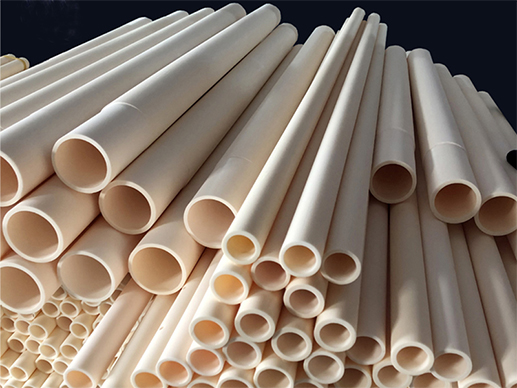
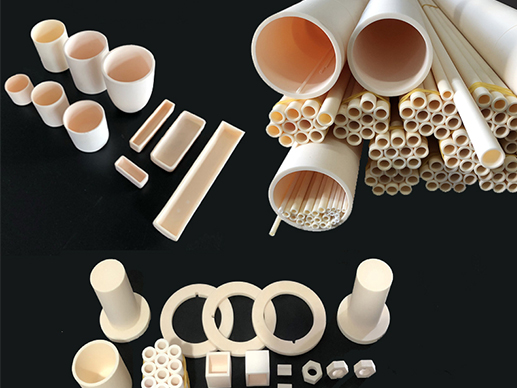
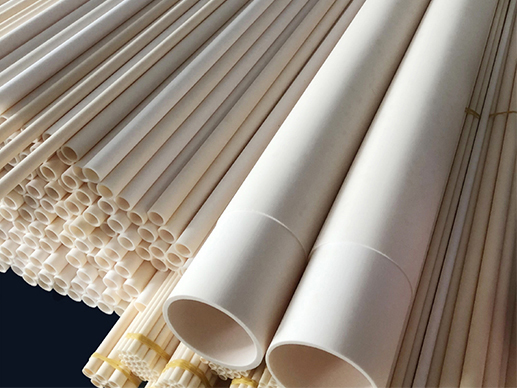
When traditional metal pipes face severe challenges of strong corrosion and high wear, alumina ceramic tubes are verifying their irreplaceability in 23 industrial fields worldwide.
High-temperature alumina is made from industrial alumina hydrate as the main raw material through calcination for dehydration and crystal phase transformation.
With the development of electronic devices towards miniaturization and high performance, efficient heat dissipation has become a key factor in ensuring the stable operation of devices.
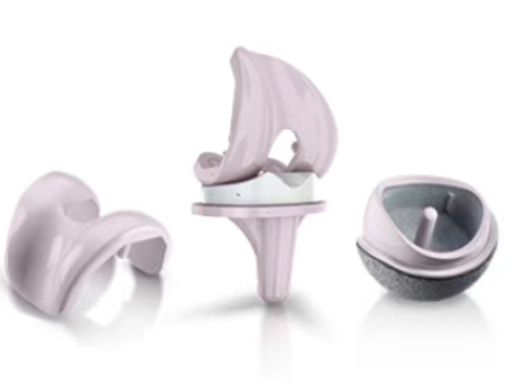
Ceramics used as biomaterials to fill defects in teeth and bones, fix bone grafts, fractures or prostheses to bones, and replace diseased tissues are called bioceramics.
In an era where semiconductor technology is moving towards processes below 3nm, alumina ceramics (Al₂O₃ ceramics) have emerged as a key material supporting the precise operation of semiconductor equipment, thanks to their high purity, excellent insulation, high-temperature resistance, and chemical stability.
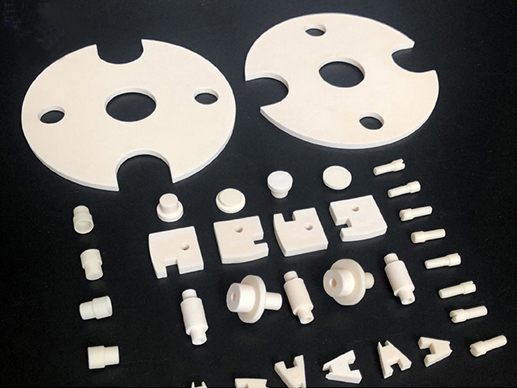
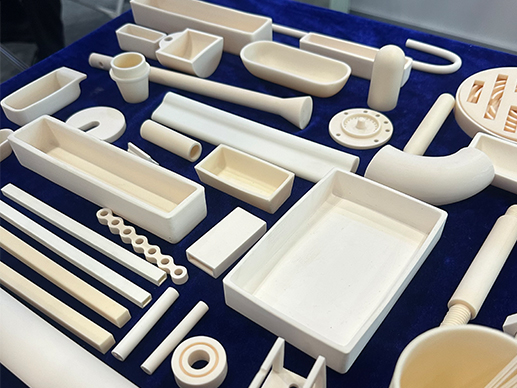
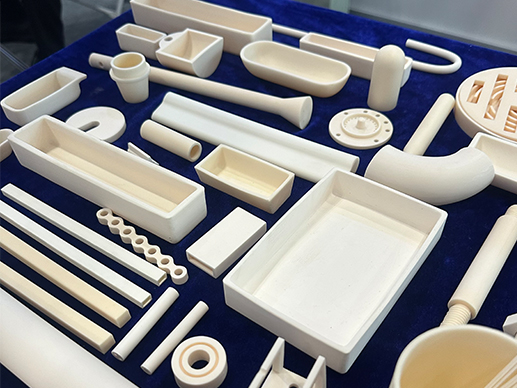
Alumina ceramic components, with their excellent properties such as high hardness, high temperature resistance, corrosion resistance, and good insulation, are widely used in electronics, medical, aerospace and other fields.
As one of the most widely used advanced ceramic materials in the industrial field, the performance optimization of alumina ceramics has always been a core topic in scientific research and industry.
Industrial ceramics, especially alumina ceramics, have become the "hidden champions" in the field of high-end manufacturing due to their excellent hardness, wear resistance, and high-temperature resistance.
With the continuous improvement of the demand for high-performance materials in the industrial field, corrosion-resistant alumina pipes are becoming the preferred materials in the chemical, electric power, aerospace and other industries by virtue of their excellent chemical stability, high-temperature resistance and wear resistance.