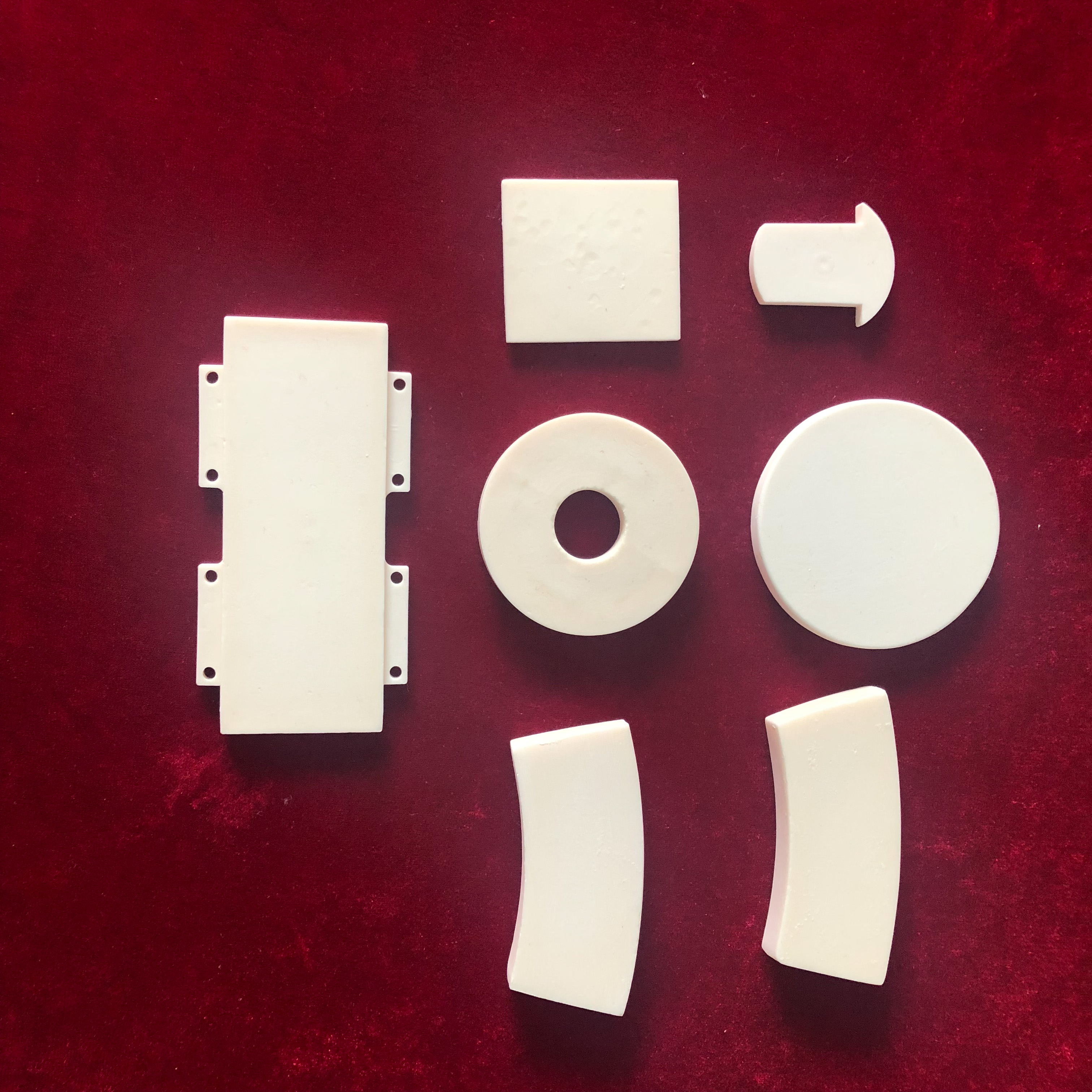
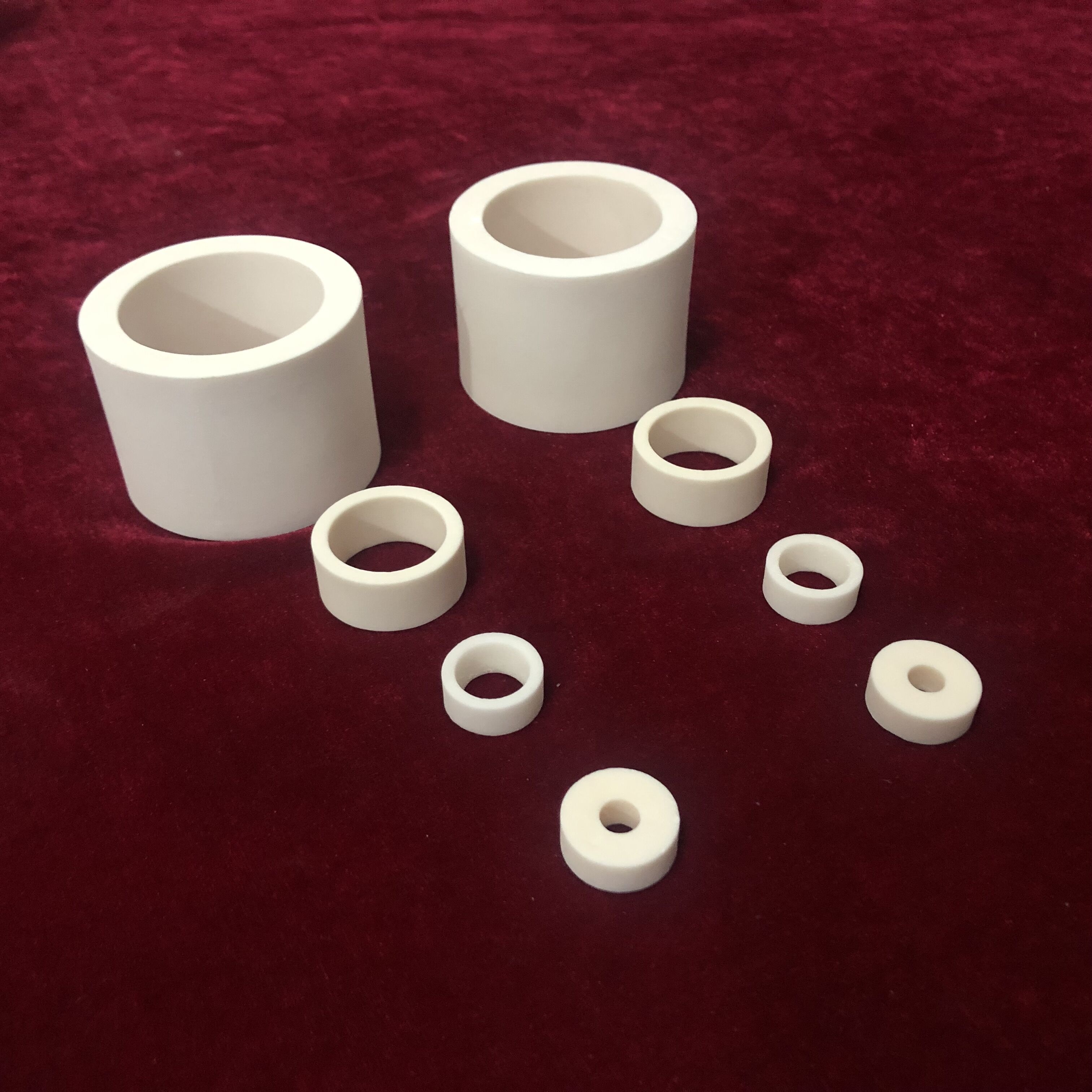
As a high-performance inorganic non-metallic material, alumina ceramics are widely used in many key industries such as electronics and electrical engineering, automotive manufacturing, medical devices, aerospace, mining, and building materials due to their core properties including high hardness, high temperature resistance, corrosion resistance, and excellent electrical insulation. The level of its manufacturing technology directly determines the core competitiveness of relevant industries. Although China has established a complete industrial chain for alumina ceramics manufacturing, challenges still exist in the purity control, low-temperature sintering, and precision forming of high-end products.
In the field of formulation and sintering technology, the project “Innovative Formulation and Process for Low-Temperature High-Strength Sintering of 99 Alumina Ceramics” has successfully passed production validation. It has lowered the sintering temperature of mainstream 99 alumina ceramics on the market from approximately 1650°C to below 1530°C, a reduction of more than 100°C, significantly cutting energy consumption and production costs.
Innovations in precision machining have also been remarkable. Addressing the challenges of high brittleness and difficult micro-hole machining in alumina ceramics, domestic enterprises have achieved breakthroughs with self-developed precision laser processing technology. The process delivers smooth, burr-free hole walls and flat, crack-free hole edges, while boosting single-hole machining efficiency by 5 to 8 times compared with traditional EDM (electrical discharge machining). This resolves the industry-wide issues of discoloration and cracking commonly encountered in conventional drilling methods.
Technological breakthroughs have directly driven the expansion of industrial applications and the growth of market scale. In the industrial wear-resistant sector, high-purity alumina ceramics are gradually replacing traditional materials such as high-manganese steel and cast stone, owing to their long service life and low overall cost.
Industry experts note that the leapfrog development of China’s alumina ceramic manufacturing technology is attributed to the leading role of enterprises in innovation and strong policy support. The implementation of national strategies such as Made in China 2025 has provided policy guidance for the industry. Enterprises have increased R&D investment and strengthened talent development, fostering a sound innovation ecosystem featuring technology inheritance, mentoring and knowledge sharing, which has driven the continuous iteration and upgrading of core technologies.