According to the Report, the global alumina ceramic tube market showed steady growth in 2020, with its market size continuing to expand on the basis of 2019. It is expected to maintain a stable compound annual growth rate until 2025, demonstrating strong resilience in market development.
This growth is mainly attributed to the excellent physical and chemical properties of alumina ceramic tubes, including high temperature resistance, high hardness, strong wear resistance and good chemical stability. These properties have driven a continuous rise in application demand across various industrial sectors, becoming the core driver of market growth.
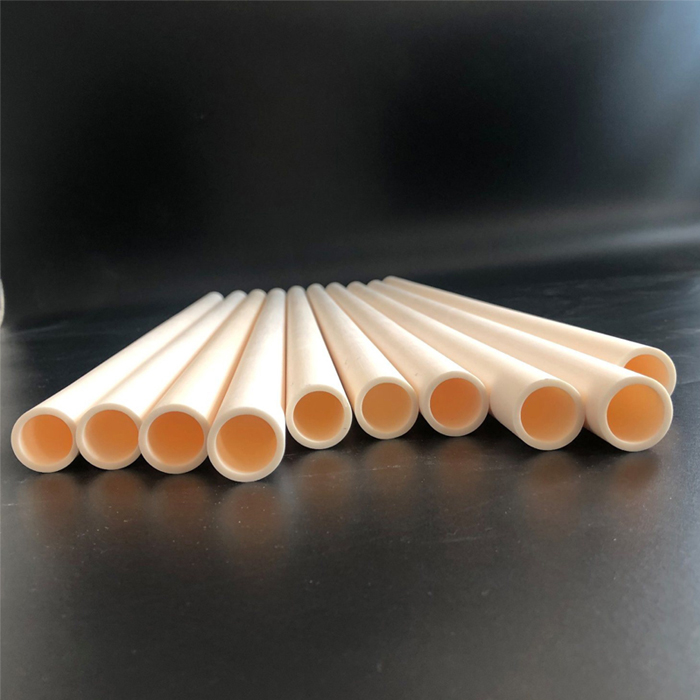
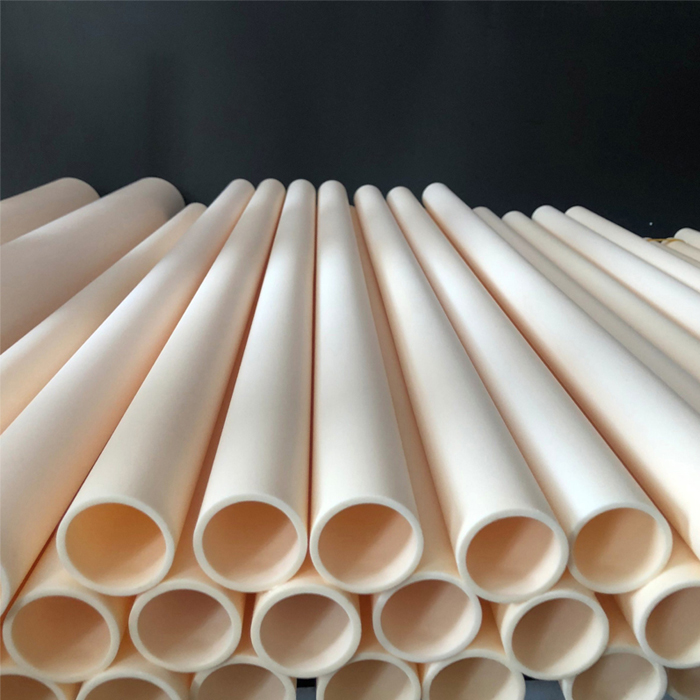
One of the key trends in the global alumina ceramic tube market in 2020 was the differentiated development across product segments. According to the report, global alumina ceramic tubes are categorized by product type into three major groups: single-bore, double-bore, closed-end, and open-end alumina ceramic tubes. Among them, single-bore alumina ceramic tubes hold a dominant market position due to their wide applicability, while double-bore and specially structured products enjoy a significantly higher demand growth rate than the industry average, owing to their suitability for high-end applications. Meanwhile, products manufactured via extrusion molding and isostatic pressing, which are classified by production process, respectively meet the market demands for large-scale mass production and high-end customization, forming a complementary development pattern.
The diversified expansion of application areas has become an important driver of market growth in 2020. According to the Report, electronics and electrical engineering, healthcare, mechanical equipment, and chemicals and materials are the four core application sectors of global alumina ceramic tubes, covering multiple scenarios from basic industries to high-end manufacturing.
In the electronics and electrical sector, their advantages of excellent insulation performance and low high-frequency loss make them widely used in high-voltage insulators, electronic component packaging, and other applications. In the chemical industry, with outstanding corrosion resistance, they serve as an ideal material for pipelines transporting acid and alkali solutions as well as catalysts. In the medical field, their good biocompatibility enables applications in clinical implants, laboratory equipment, and other scenarios. In traditional sectors such as mechanical equipment, mining, and electric power, their wear-resistant properties effectively extend equipment service life, reduce maintenance costs, and maintain steady demand.