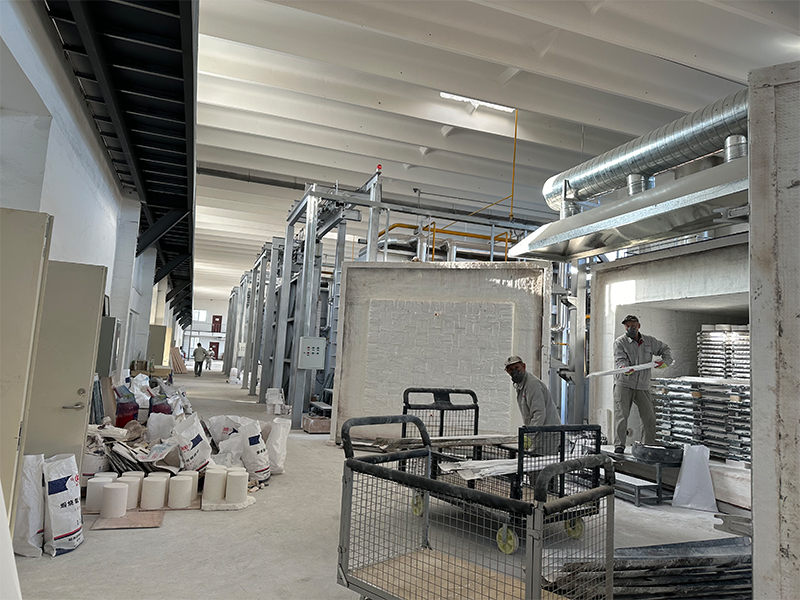
According to experts, the core of selecting alumina ceramic tubes is to determine parameters based on working conditions, with four key indicators to focus on: purity, dimensions, processing technology, and inspection reports. There is no need to blindly pursue high grades.
1. Check the alumina purity
92%: For general wear‑resistant applications, cost‑effective.
95%: Mainstream industrial grade, balanced wear resistance, temperature resistance and corrosion resistance.
99%/99.7%: For high‑temperature, high‑purity and high‑cleanliness applications.
2. Check the dimensions and wall thickness.
The diameter should match the equipment interface and flow rate.
For working conditions with high wear and high impact, use a thicker wall.
For scenarios requiring high precision, confirm that the tolerances meet the standards.
3. Check the forming and sintering process
Prioritize products made by isostatic pressing + high-temperature sintering, which feature dense structure, no pores, high strength, and longer service life.
4. Ask for formal inspection reports
Be sure to require the manufacturer to provide purity test, dimensional report, pressure resistance and temperature resistance data to ensure compliance with industry standards such as ASTM and ISO.
Yunxing industrial ceramic remind: alumina ceramic tubes are not suitable for strong acid, strong alkali or hydrofluoric acid-containing media; other materials should be used instead.
As global industrial upgrading accelerates and environmental regulations become stricter, the demand for alumina ceramic tubes with enhanced performance, custom specifications and reliable supply chains continues to rise. Stakeholders are also increasingly focusing on supplier capabilities, including engineering support, production capacity and supply chain resilience—such as ERP digitalization, strategic stock management and domestic warehousing—to avoid shipment delays and quality deviations. In this context, mastering the core selection guidelines for alumina ceramic tubes is not only a prerequisite for ensuring industrial production stability but also a key driver of cost reduction, efficiency improvement and technological upgrading across sectors.
In subsequent reports, we will delve deeper into the impact of sintering processes on product performance, detailed application-specific selection cases and how to evaluate supplier reliability, providing a comprehensive reference for industrial professionals navigating the complex alumina ceramic tube market.