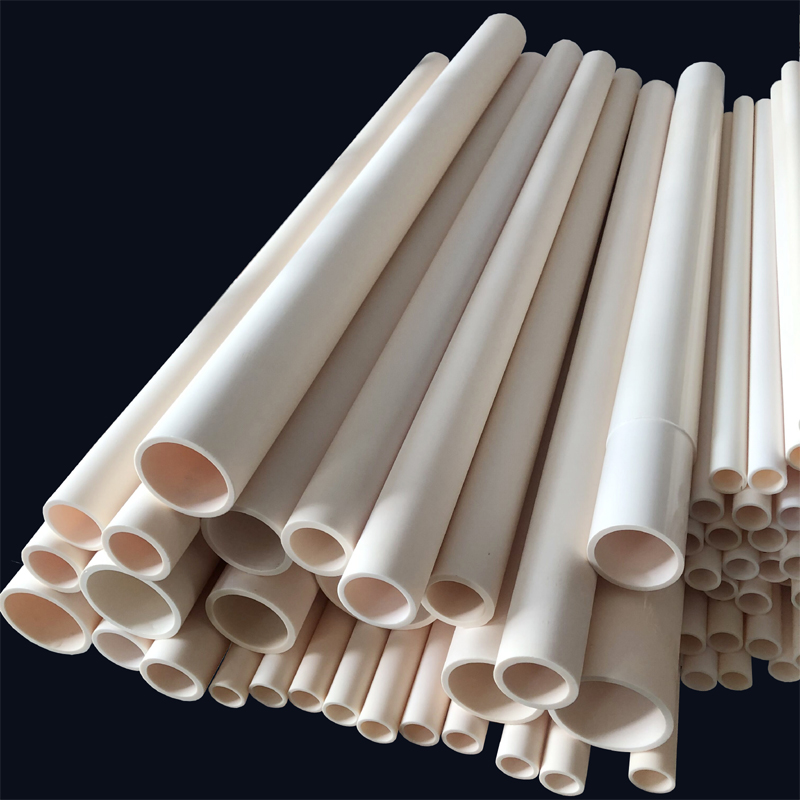
Recently, drawing on the latest experimental research from multiple domestic research institutions and practical applications in enterprises, industry experts have systematically identified the core factors affecting the wear loss of alumina ceramics, providing an important reference for the industry to optimize material preparation and extend equipment service life.
As a high-performance inorganic non-metallic material, the wear of alumina ceramics is not caused by a single factor, but the result of the synergistic effect of various aspects, including the inherent properties of the material, preparation technology, service environment and working conditions. Experts point out that clarifying the influence mechanism of each factor is the key to achieving the efficient utilization of alumina ceramic materials and promoting the high-quality development of related industries.
The microstructure and properties of the material itself are the intrinsic core factors determining its wear volume.
The precision of the preparation and processing technology directly determines the surface quality and performance stability of alumina ceramics, thereby affecting the wear volume.
The service environment and working conditions are the key external factors that aggravate or reduce the wear of alumina ceramics.
The external force and service duration during operation further amplify the influence of various factors on the wear volume.
In addition, the service duration and maintenance methods also affect the cumulative wear of alumina ceramics. Long-term use can lead to material fatigue, especially under severe working conditions such as high temperature, high pressure, and strong corrosion, where the wear rate will gradually accelerate. Timely removal of surface wear particles, avoidance of severe impacts, and regular inspection of lubrication conditions can effectively slow down the wear process and extend the service life.
Industry experts point out that the wear rate of alumina ceramics is not determined by a single factor, but by the combined effects of material properties, service conditions, processing techniques, and other aspects.
At present, with the upgrading of industries such as high-end manufacturing and medical devices, higher requirements have been put forward for the wear resistance of alumina ceramics.
This sorting out of the core influencing factors not only helps enterprises optimize their preparation and application schemes in a targeted manner — for example, the use of high-precision ceramic liners in mining can extend the replacement cycle of chutes from 3 months to 3 years — but also provides a direction for research institutions to carry out wear-resistant modification research.
In the future, by optimizing material composition, upgrading processing technologies, and adjusting for service conditions, it is expected to further reduce the wear rate of alumina ceramics, promote its wider application in more high-end fields, and support the high-quality development of China’s advanced materials industry.