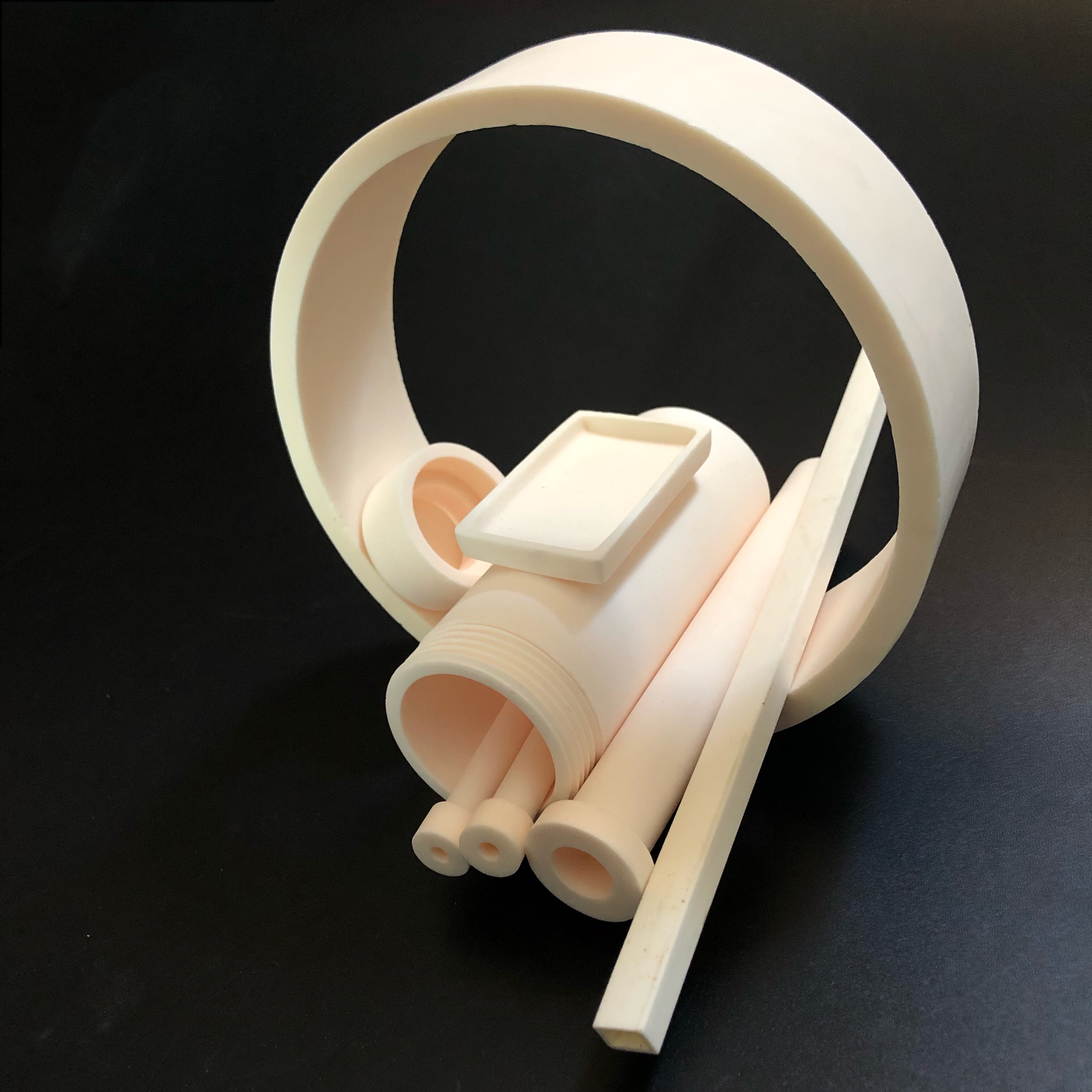
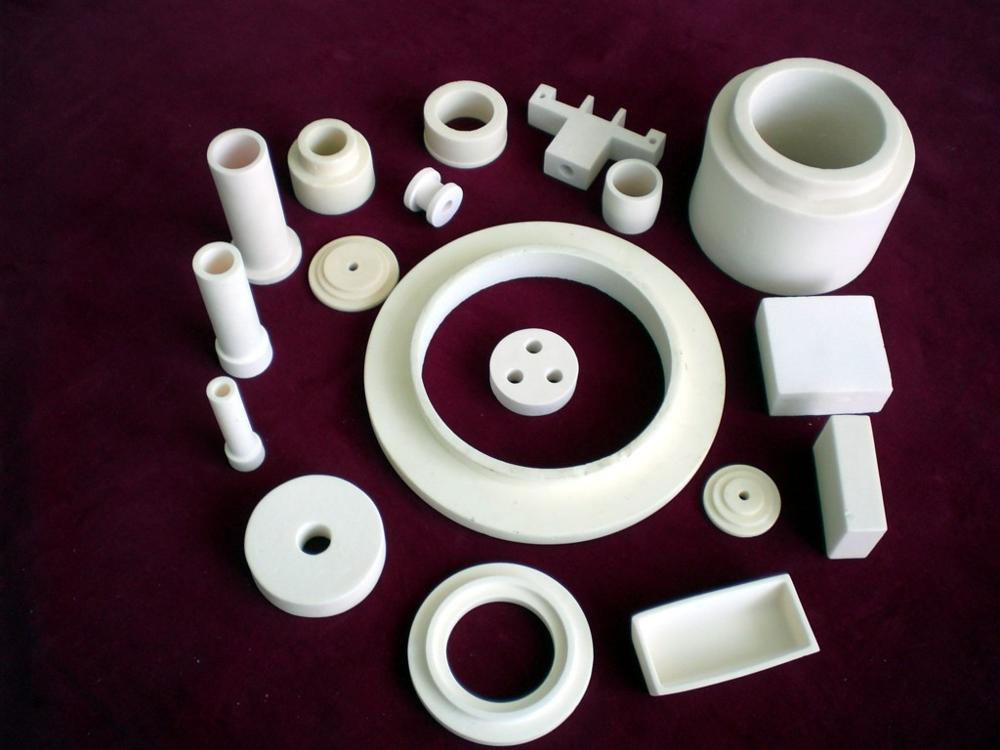
Alumina ceramic is an advanced ceramic material made from high-purity alumina as the main raw material through precision forming, high-temperature sintering and other processes. Compared with traditional ceramics, it has achieved a qualitative leap in performance. Data shows that high-purity alumina ceramic can reach a hardness of HV1400-1800, and its service life is 5 to 10 times longer than that of traditional wear-resistant materials. Meanwhile, it offers a lightweight advantage with a density only half that of steel, which can effectively reduce equipment load and energy consumption. At a time when "cost reduction and efficiency improvement" has become the main theme of industry, it demonstrates extremely strong market competitiveness.
In terms of technological innovation, China’s alumina ceramic industry is gradually breaking foreign monopolies and shifting from a "follower" to a "leader".In recent years, R&D investment in the industry has continued to increase. In 2025, the total R&D investment of China’s advanced ceramics industry reached 8.5 billion yuan, a year-on-year increase of 20.5%.A series of key technologies have achieved breakthrough progress.
Through the optimization of microstructure, alumina ceramics have successfully solved the industry pain point of brittleness, with significantly improved impact resistance.Products with a purity of over 99% can resist strong acid and alkali corrosion, making them suitable for complex working conditions such as desulfurization and chemical engineering.
From 2025 to 2030, the market size of China’s advanced alumina ceramics industry is projected to grow from RMB 18 billion to over RMB 50 billion, with a compound annual growth rate (CAGR) of 12%–15%. Demand from 5G communications, new energy vehicles, and aerospace will account for 35%, 25%, and 18% respectively.
From mine transmission pipelines to deep-space probes, from new energy batteries to semiconductor chips, the application boundaries of alumina ceramics are constantly expanding. Industry insiders generally believe that with continuous technological iteration and increasingly diverse application scenarios, this "versatile" material will play a more important role in the global wave of manufacturing upgrading and energy transition. China’s alumina ceramics industry will also achieve a new leap in high-quality development amid accelerated domestic substitution.