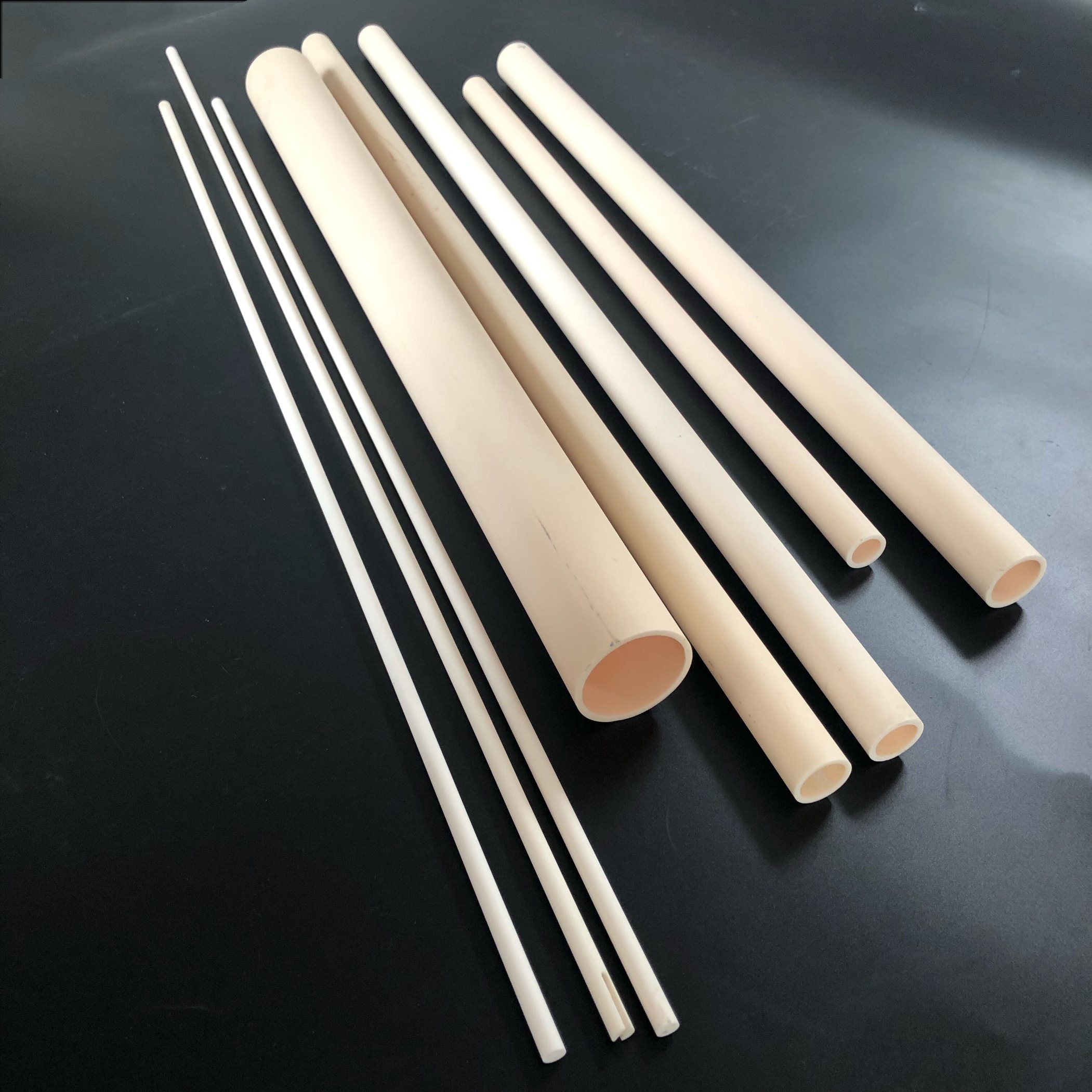
High-purity alumina ceramic tubes (corundum tubes) can be steadily used in vacuum furnace equipment. Featuring excellent high temperature resistance, low volatility and superior stability, they gradually replace traditional quartz tubes and other materials. Serving as core furnace tube materials for high-temperature vacuum sintering, annealing and coating processes ranging from 1200℃ to 1600℃, they solve industrial problems including easy deformation, contamination and short service life of furnace tubes under high-temperature vacuum conditions.
According to technical test data of thermal equipment industry, alumina ceramic tubes are made from alumina with purity ≥99% as core raw material and formed through high-temperature sintering. They feature comprehensive properties suitable for harsh working conditions of vacuum furnaces, ranking among the optimal tube materials for high-temperature vacuum furnaces.
The core requirements for vacuum furnace operation include low material volatilization, no impurity precipitation, excellent air tightness and stable high-temperature structure. Alumina ceramic tubes perfectly meet these criteria. Under vacuum negative pressure conditions, this material avoids oxidation and volatilization found in metals, and will not soften, leak air or deform at high temperatures like ordinary glass. Its extremely low impurity precipitation rate effectively maintains the purity of materials processed in the furnace and prevents secondary contamination of workpieces and powder materials.
Regarding the temperature limit of vacuum working conditions concerned by the industry, technical experts gave specific explanations. Standard high-purity alumina ceramic tubes can withstand a long-term temperature of up to 1600℃ under atmospheric pressure. However, in a vacuum negative pressure environment, affected by the thermal stress properties of the material, the safe long-term operating temperature shall be controlled below 1500℃. Exceeding this temperature may easily cause material softening and slight deformation, which serves as the core technical threshold for selecting such tubes for vacuum furnaces.
At present, many domestic thermal equipment enterprises have realized standardized mass production of vacuum furnaces equipped with alumina ceramic tubes. Matched with optimized high-purity alumina ceramic furnace tubes, stainless steel flanges and special high-temperature sealing components, the equipment achieves high vacuum sealing performance with a vacuum level up to 50 Pa. Featuring outstanding stability and tightness, it suits laboratory research, industrial mass production and other scenarios.Compared with conventional materials, alumina ceramic vacuum furnace tubes boast a service life 3 to 5 times longer. They also have advantages of low heat storage, uniform temperature field and energy saving, effectively cutting equipment operation and maintenance costs.