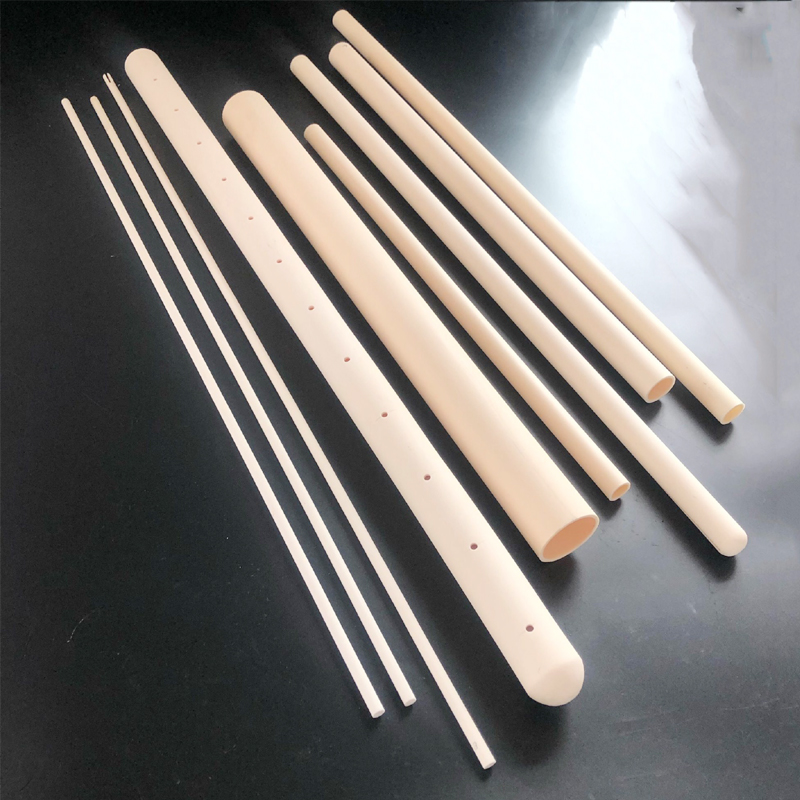
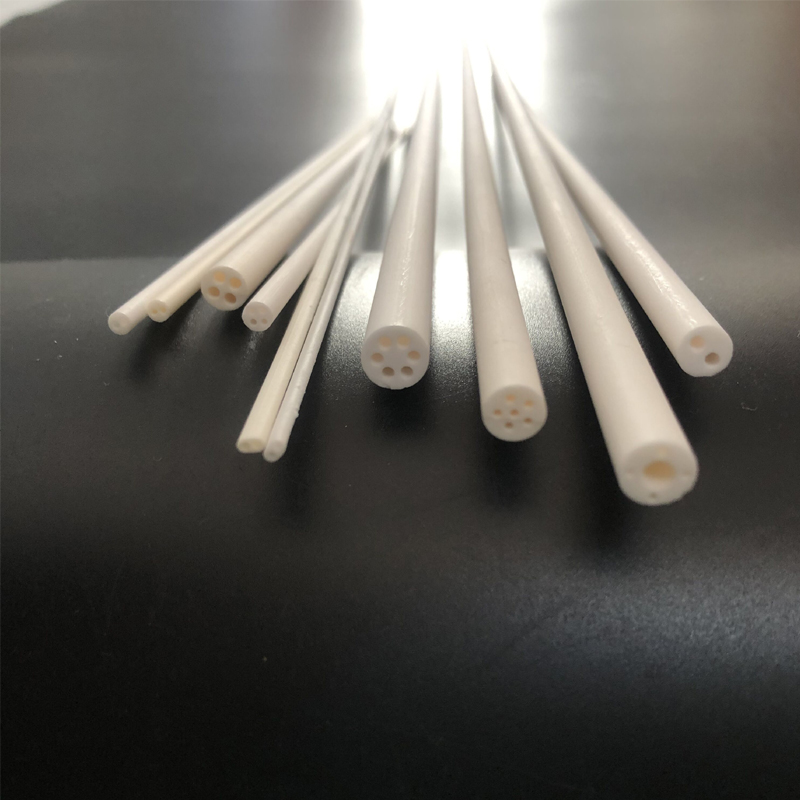
Alumina ceramics are categorized into multiple grades including 85%, 90%, 95% and 99% alumina ceramic based on their alumina content. Products of diverse specifications suit differentiated industrial application scenarios, featuring outstanding cost performance and superior comprehensive properties. They fully meet the stringent requirements of modern industries for high precision, exceptional stability and long service life of raw materials. Gradually replacing conventional materials such as metals and ordinary plastics, these ceramics drive performance upgrading of equipment across various sectors.
With excellent electrical insulation, thermal conductivity and dimensional stability, alumina ceramics are widely used to fabricate core components such as integrated circuit substrates, insulating substrates for power modules, ceramic packaging bases, LED heat-dissipation brackets and carriers for RF microwave devices.
In the precision manufacturing of semiconductors, components made of alumina ceramics such as wafer chucks, plasma etching fixtures, precision gas nozzles and high-temperature process trays can withstand extreme working conditions including high temperatures, plasma etching and chemical corrosion during chip fabrication. They precisely secure the stability and dimensional accuracy of wafer conveyance and processing, effectively improving chip yield rates, and have evolved into indispensable precision auxiliary materials across the entire semiconductor industrial chain.
In the field of precision industrial manufacturing, it boasts far superior ultra-high hardness, wear resistance and impact resistance compared with ordinary metallic materials. It can be processed into components such as wear-resistant bearings, industrial valves, abrasive wheels, sealing base plates and precision supporting structures, which significantly cuts equipment abrasion rate, extends the service life of industrial machinery and effectively reduces enterprises’ operation and maintenance costs.
In the eco-environmental protection sector, alumina ceramic membranes feature uniform pore size, excellent corrosion resistance, fouling resistance and reusability via repeated cleaning and regeneration. They are widely deployed in industrial wastewater filtration, drinking water purification, waste gas treatment and other applications. Capable of efficiently trapping impurities, heavy metals and contaminants in water, these membranes deliver consistent purification performance and a long service life.