Tube furnaces and kilns are indispensable high-temperature processing equipment in industrial production. Their internal operating environments are extremely harsh, enduring long-term working conditions of high temperature, high pressure, and erosion by corrosive gases or materials, which impose extremely high requirements on the material properties of core components.
Traditional metal or ordinary ceramic components often suffer from insufficient high-temperature resistance, easy corrosion, short service life and other drawbacks. Frequent replacement not only increases production costs but also disrupts production continuity, becoming a key bottleneck restricting the efficiency improvement of high-temperature industries.
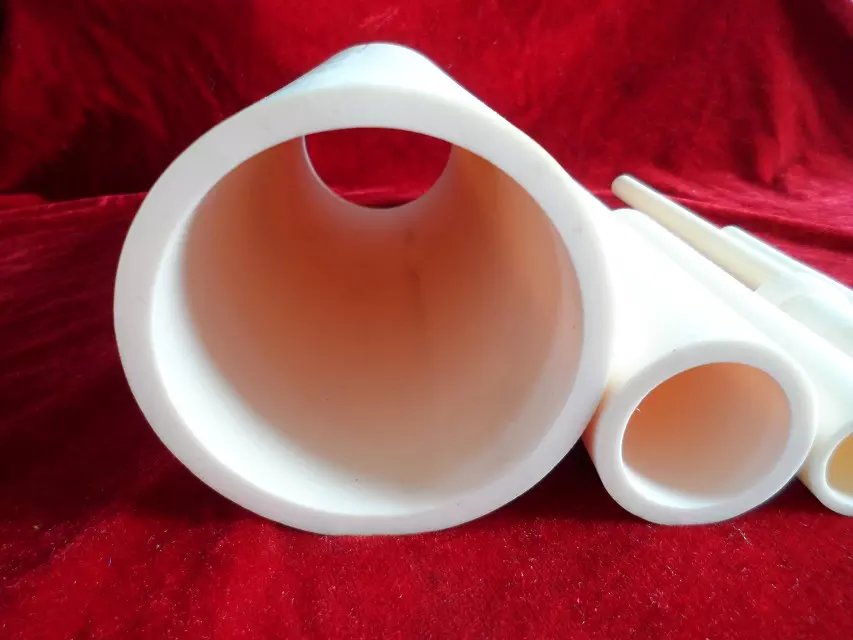
Alumina ceramic tubes are made of high-purity alumina as the main raw material through precision forming, high-temperature sintering and other processes. Their comprehensive performance perfectly meets the operating requirements of tube furnaces and kilns, making them a core product to solve industry pain points.
According to industry test data, premium alumina ceramic tubes can withstand a long-term service temperature of up to 1200℃ and a maximum short-term temperature of 1800℃. Products of different purity grades cater to diverse high-temperature application scenarios: 95% purity tubes are suitable for conventional high-temperature furnace tubes, while high-purity products of 99% and above can adapt to more extreme high-temperature environments such as electronic sintering furnaces.
Far exceeding the heat resistance limit of traditional metal materials, they maintain structural integrity and stable performance within the high-temperature operating range of tube furnaces and kilns, preventing equipment failures caused by high-temperature deformation and damage.
Beyond its excellent high-temperature resistance, alumina ceramic tubing also features outstanding corrosion resistance and high mechanical strength, further enhancing its compatibility for use in tube furnaces and industrial kilns.
It boasts exceptional chemical stability, is insoluble in water, and can resist erosion from most acids and alkalis except concentrated hydrofluoric acid. It effectively withstands the scouring and corrosion of corrosive gases and molten materials inside kilns, greatly extending the service life of components.
Meanwhile, its Mohs hardness reaches up to 8.5, with a flexural strength of 300–400 MPa. Ranking second only to diamond in hardness, it can withstand vibration and minor impact during equipment operation, reduce breakage losses during transportation, installation and service, and lower equipment maintenance costs.