Get the latest price? We will reply as soon as possible (within 12 hours)

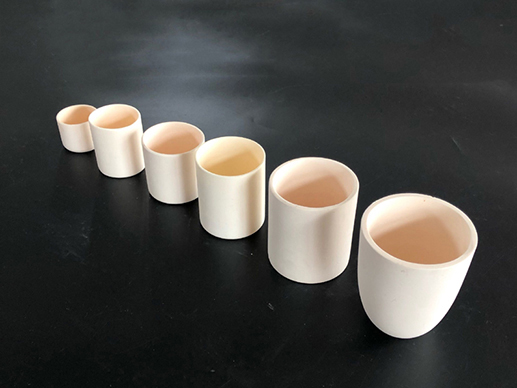
  • What impact does the wall thickness of alumina ceramic crucibles have on high-temperature melting?
    07-07/2026
    The measured data shows that the influence of crucible wall thickness on high-temperature melting exhibits obvious bidirectional differentiation characteristics. Thin walled and thick walled crucibles have their own advantages and disadvantages, and their adaptation scenarios are completely different.
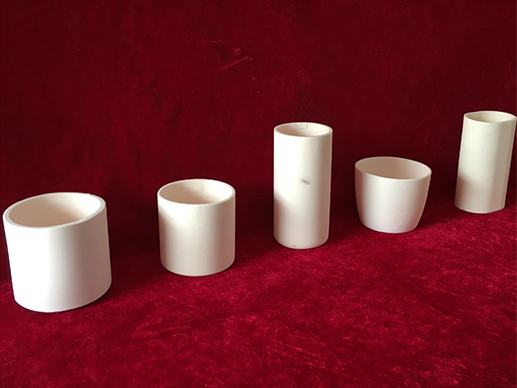
  • What temperature can alumina ceramic crucible withstand?
    06-29/2026
    99% purity alumina ceramic crucibles for general industrial scenarios deliver balanced overall performance. They sustain a stable long-term continuous operating temperature of 1500–1600°C and can withstand short-term high temperatures up to 1700°C, featuring outstanding cost performance. These crucibles are widely used in processes including general powder calcination, refractory material testing, and conventional metal melting.
  • Is alumina ceramic crucible resistant to chemical corrosion (acids and alkalis)?
    06-26/2026
    Hydrofluoric acid (HF) is the primary corrosive medium for alumina ceramic crucibles. A specific chemical reaction occurs between the two substances to form soluble fluoroaluminate complexes, which continuously erode the inner walls of crucibles and lead to cracking and perforation of the crucible bodies.
  • Where to buy high-quality alumina ceramic crucibl?
    06-15/2026
    Jinzhou Yunxing Industrial Ceramics Co., Ltd. has been engaged in the industrial ceramics sector for many years. Backed by rigorous quality control systems, high-purity product performance and flexible customization services, it has become a top supplier of premium alumina ceramic crucibles in the industry.
  • How to choose a suitable crucible for high-temperature experiments
    02-26/2026
    The core requirements of ceramic crucibles for high-temperature experiments focus on three dimensions: temperature resistance, chemical stability, and thermal stability. Alumina ceramic crucibles precisely meet these demands.
  • Alumina ceramic crucible for thermal analysis testing container
    02-10/2026
    In university laboratories, thermal analysis is a core experimental technique for exploring the thermal behavior of substances and revealing the structural properties of materials across disciplines such as materials science, chemical engineering, and environmental science.
  • Applications of Ceramic Crucibles Size(2)
    09-26/2025
    High-temperature melting: The most classic use of ceramic crucibles is to melt and refine various materials at high temperatures.
  • Applications of Ceramic Crucibles size(1)
    09-25/2025
    Modern ceramic crucibles are high-temperature-resistant containers made from high-purity ceramic materials (such as quartz, aluminum oxide, boron nitride, zirconium oxide, etc.) as the base material through a precise high-temperature sintering process.
  • Crucible Material
    03-05/2025
    In a recent groundbreaking study, scientists have delved deep into the complex relationship between crucible materials and the kinetics of thermal reactions. The findings not only shed light on fundamental chemical processes but also have far - reaching implications for various industries, from materials science to metallurgy.
  • How to Select Alumina Ceramic Crucibles?
    02-26/2025
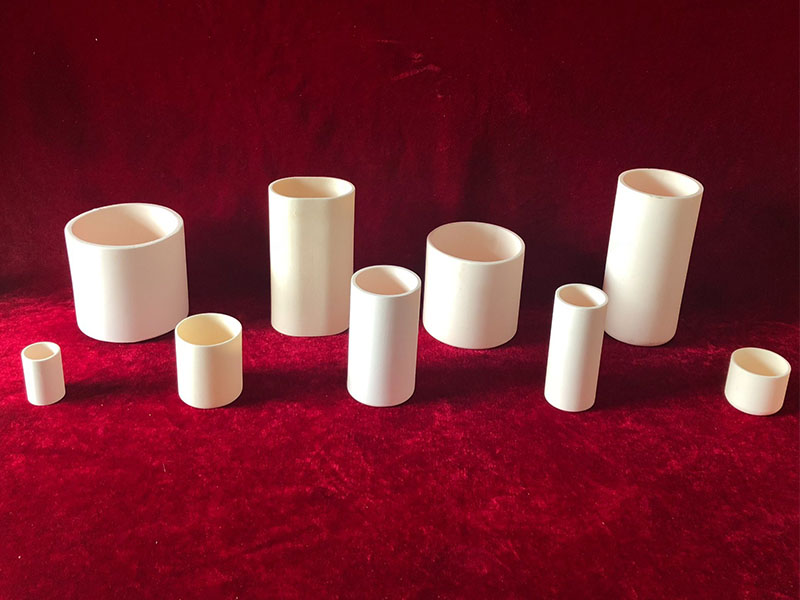
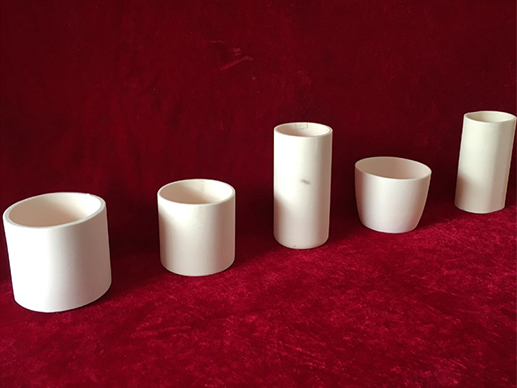
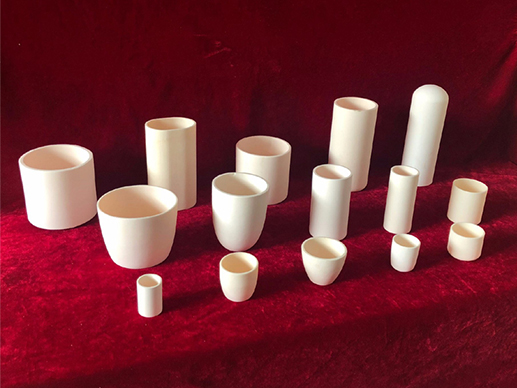
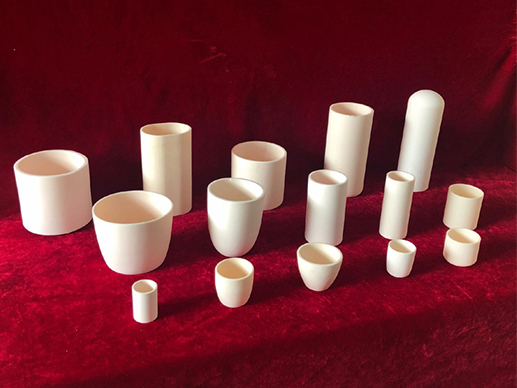
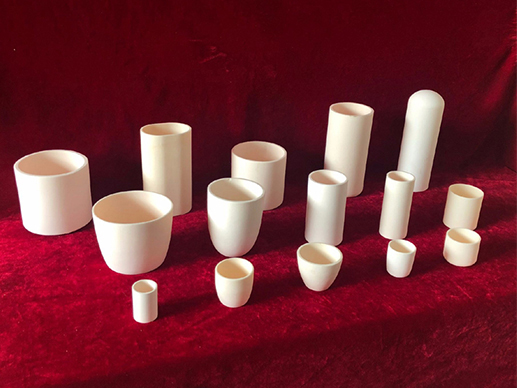
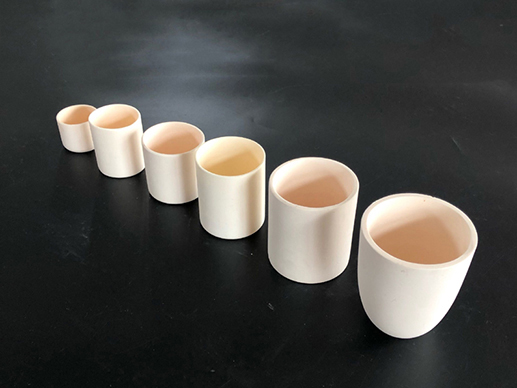
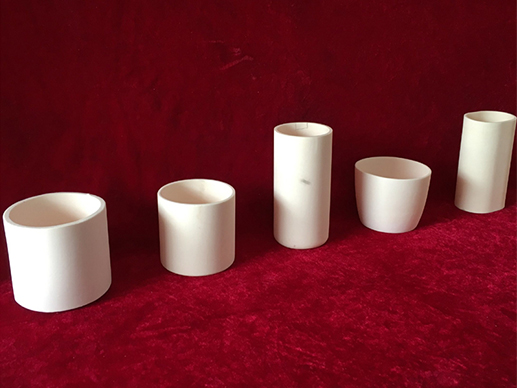
    Alumina ceramic crucible is a laboratory vessel made of high-purity aluminum oxide material, which has excellent heat resistance and chemical stability, and can withstand chemical reactions and sintering processes in high temperature environments. It is widely used in laboratories and industrial fields for melting samples, sintering powders, combustion analysis, and high-temperature experiments.