Boasting the superior properties of high-purity alumina materials, alumina ceramic tubes have become essential components demanded by numerous high-end manufacturing sectors. However, this product suffers from low toughness and poor vibration resistance. Minor collisions, jolts, squeezing or friction during transportation may trigger tube wall cracking, ceramic layer peeling and edge chipping. Damaged ceramic tubes cannot be repaired, which not only raises manufacturers’ production costs but also delays project construction and equipment commissioning schedules.
Packaging protection serves as the first line of defense for the safe transportation of alumina ceramic tubes and the core link to prevent breakage.
Differentiated packaging standards have been established across the industry for alumina ceramic tubes of various specifications:
Small, lightweight tubes are packed in double-layer thick corrugated cartons. The outer surface of each tube is wrapped with high-density bubble film no less than 3 mm thick, pearl cotton corner protectors are fitted to all edges, and foam pellets or air-filled bags fill voids inside the cartons to completely eliminate shaking and friction during transit.
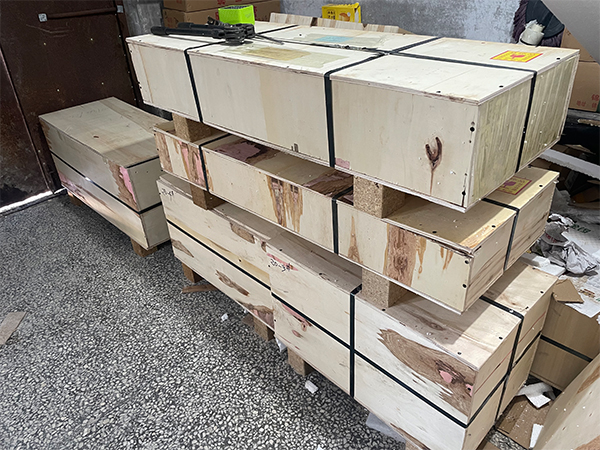
For large, extra-long and high-precision alumina ceramic tubes, custom solid wood frames or shockproof wooden cases are required for encapsulation. Custom foam liners shaped to fit the tube curvature are installed inside to secure the tubes with zero clearance from the casing, preventing displacement and collision during handling and shipment.
Loading, handling and warehouse control constitute critical intermediate links for safe transportation, and improper manual operation is one of the primary causes of alumina ceramic tube damage.
According to professional logistics operators, alumina ceramic tubes must never be dragged, tossed, placed upside down or stacked under heavy loads. Manual handling requires lifting and placing each tube gently one at a time to prevent stress cracking caused by gripping both ends of a tube with one hand.
For bulk loading, flat, stable dedicated pallets and transfer trolleys shall be adopted to lay the tubes horizontally.Shockproof partition boards must be installed between stacked layers, and stacking heights shall be strictly limited to eliminate damage from heavy compression.
Prior to loading onto transport vehicles, all debris and protruding hard objects inside carriage compartments shall be cleared, and an integrated anti-slip and shock-absorbent cushion pad shall be laid on the carriage floor. Packed ceramic tubes shall be neatly arranged and fully secured with strapping bands to avoid shifting and mutual collision during transit.