Get the latest price? We will reply as soon as possible (within 12 hours)

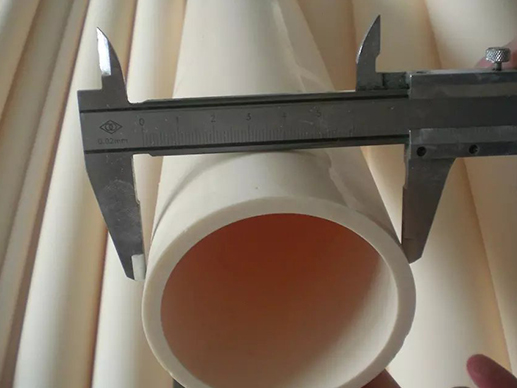
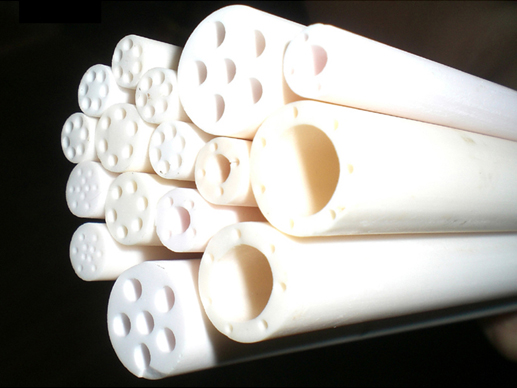
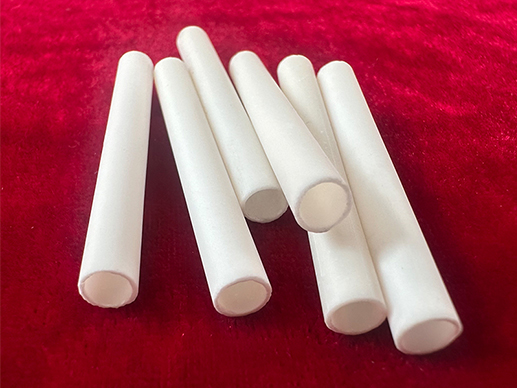
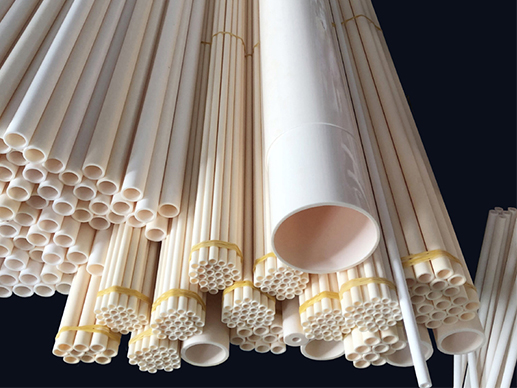
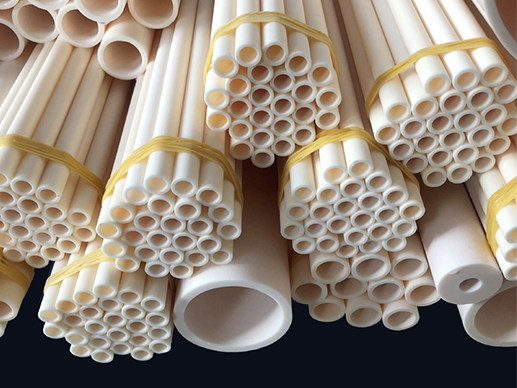
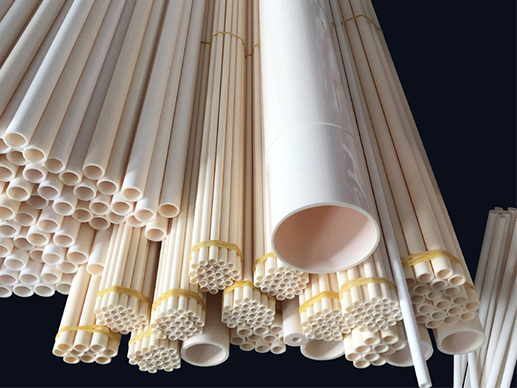
  • Alumina Ceramic Tubes for School Laboratory Special Use
    02-06/2026
    As the core hub for scientific research innovation and talent cultivation in universities, the performance of laboratory consumables directly impacts the accuracy of experimental results, the safety of experimental processes, and the depth of scientific research exploration.
  • Alumina ceramic tube is preferred for thermocouple protective sleeve
    02-02/2026
    As the global industrial transformation towards high-end and intelligent manufacturing accelerates, thermocouples serve as core components in industrial temperature measurement, and the performance of their protective sleeves directly determines measurement accuracy, equipment safety and service life.
  • Alumina ceramic tubes supporting the development of modern industry
    01-27/2026
    In the high-temperature and corrosive environment of chemical workshops, in the precision sintering processes of new energy batteries, and on the purification production lines of semiconductor wafers, there is always a kind of unassuming core component standing the test silently — alumina ceramic tubes.
  • Full analysis of the upgrade path of mechanical properties of alumina ceramics
    01-21/2026
    Alumina ceramics have long occupied the position of a core material in fields such as machinery, electronics, chemicals, and aerospace, thanks to their advantages in high hardness, wear resistance, corrosion resistance, and high-temperature resistance.
  • Can alumina ceramics withstand rapid temperature changes without cracking?
    01-16/2026
    In high-temperature working conditions such as metallurgy, chemical engineering, and aerospace, alumina ceramics have become core materials due to their advantages like high hardness, corrosion resistance, and high-temperature stability.
  • Will industrial alumina ceramic tubes deform during use?
    01-12/2026
    Industrial alumina ceramic tubes in the field of industrial materials have become core components in high-end industrial fields such as chemical, metallurgical, electronic semiconductor, etc. due to their excellent characteristics of high temperature resistance, corrosion resistance, and high hardness.
  • Alumina ceramics components are quietly replacing metal components
    01-08/2026
    Modern spectroscopy systems are increasingly adopting alumina-based ceramic structures, as instrument designers seek greater thermal stability, superior chemical resistance, and more reliable long-term calibration performance.
  • What is the position of alumina ceramic flanges in pipeline systems?
    01-04/2026
    As an indispensable and crucial component in pipeline systems, flanges are mainly used to connect pipes, equipment, valves and other components. They play important roles such as joining pipelines, ensuring the stability of pipeline systems, achieving sealing of pipeline systems, adapting to different working conditions, and facilitating maintenance.
  • Wear-resistant industrial ceramics: a material more wear-resistant than iron!
    12-31/2025
    In fact, ferrous materials have long been common wear-resistant options, with manganese steel, white cast iron, and alloy steel being several widely used varieties. However, these materials do come with certain drawbacks. For instance, austenitic manganese steel boasts excellent toughness but is rather difficult to machine.
  • The Development History of X-ray Ceramic Tubes
    12-29/2025
    In modern medical imaging and industrial testing, the X-ray tube is an indispensable core component. The mainstream product today—the Ceramic Envelope X-ray Tube—did not exist from the very beginning; its emergence went through an evolutionary process from glass to ceramic.