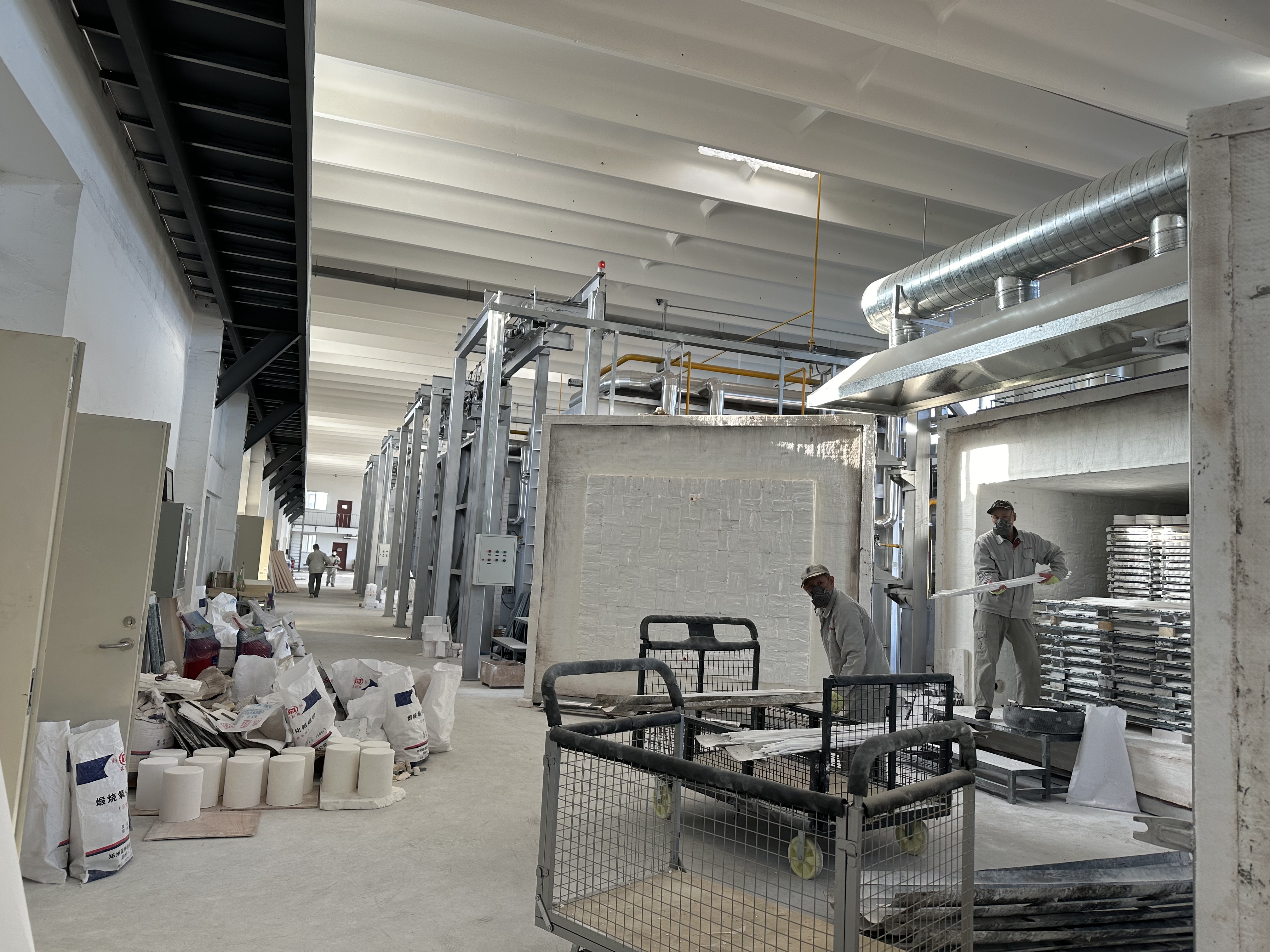
In the wave of industrial upgrading driven by 5G communication, new energy vehicles and high-power semiconductors, alumina ceramic, as a key structural and functional material, has become the focus of attention in many high-end manufacturing fields. A question frequently raised by industry clients is: Is alumina ceramic electrically conductive? This seemingly simple question involves the core properties of materials and directly determines their application boundaries in electronic packaging, precision machining and other scenarios. Today, we will conduct an in-depth interpretation based on the latest industry research and application practices, and reveal the value potential of alumina ceramic in electrical performance regulation.
First, it should be clarified that pure alumina ceramic is a typical insulating material at room temperature. Data show that the electrical conductivity of sintered alumina is as low as 10⁻¹² S/cm at 500K, which is comparable to high-voltage insulating porcelain and other materials, and its volume resistivity meets the strict requirements of high-frequency insulating components . This insulating property stems from the covalent-ionic bond structure of alumina, which lacks free charge carriers that can move freely at room temperature. For a long time, this characteristic has made alumina ceramic the preferred material for electronic device substrates, high-voltage insulation parts and other components, relying on its excellent insulation, high temperature resistance and mechanical strength to ensure the stable operation of equipment .
However, with the diversified development of industrial needs, the single insulating property can no longer meet the requirements of emerging fields such as electrical discharge machining (EDM) and static protection. The industry has achieved a major breakthrough in realizing the electrical conductivity of alumina ceramic through composite modification technology. The core idea is to introduce conductive phases into the alumina matrix to form a continuous conductive network. For example, the research team successfully prepared Al₂O₃-Ti composite ceramics through pressureless sintering. When the titanium content reaches 20wt%, the electrical conductivity of the material reaches 2.265×10⁻⁴ S/cm, which is a qualitative leap compared with pure alumina . Similarly, by introducing graphene oxide into alumina and optimizing the preparation process, the electrical conductivity of the composite material can be increased by nine orders of magnitude, while the flexural strength and fracture toughness are significantly improved .
In addition to composite modification, the electrical conductivity of alumina ceramic is also affected by factors such as material purity, sintering process, temperature and frequency. For co-fired alumina substrates widely used in electronic packaging, the addition of glass components in the preparation process will slightly adjust their dielectric properties and AC conductivity, but they still maintain good insulating performance in the working temperature range of conventional electronic devices . It is worth noting that the electrical conductivity of alumina ceramic shows a positive correlation with temperature. As the temperature rises to 1000K, the conductivity will increase significantly, which is an important consideration for its application in high-temperature environments such as 500℃ silicon carbide (SiC) electronic packaging .
For industry clients, understanding the electrical conductivity of alumina ceramic is not only a matter of material property cognition, but also a key link in optimizing product design and reducing costs. Whether it is the selection of insulating substrates for electronic products, the development of conductive composite components for special environments, or the customization of high-temperature resistant packaging materials, it is necessary to accurately grasp the electrical performance characteristics of alumina ceramic under different conditions. At present, professional testing institutions have adopted three-electrode systems and high-precision bridges to accurately measure indicators such as volume resistivity and surface conductivity of alumina ceramic, providing reliable data support for industrial applications .
To sum up, the answer to "Is alumina ceramic electrically conductive?" is not absolute. Pure alumina ceramic is an excellent insulator at room temperature, while modified composite alumina ceramic can achieve controllable electrical conductivity. This dual characteristic, combined with its excellent comprehensive properties such as high temperature resistance, wear resistance and corrosion resistance, makes alumina ceramic an indispensable core material in the process of industrial intelligence and high-endization. With the continuous advancement of modification technology and the expansion of application scenarios, alumina ceramic will play a more important role in promoting technological innovation in key industries.
For more professional solutions about alumina ceramic materials, you can consult our technical team, and we will provide customized material selection suggestions and technical support according to your specific application needs.