Corundum castable and corundum-mullite castable are both high-end monolithic refractory materials. Relying on their unique compositional advantages, they play an irreplaceable role in high-temperature environments.
As a core step in the preparation of alumina ceramics, the molding process directly determines the product’s density, uniformity and final performance.At present, the mainstream molding technologies in the industry are continuously optimized and upgraded, forming mature solutions suitable for different application scenarios.
As a high-performance inorganic non-metallic material, alumina ceramics are widely used in many key industries such as electronics and electrical engineering, automotive manufacturing, medical devices, aerospace, mining, and building materials due to their core properties including high hardness, high temperature resistance, corrosion resistance, and excellent electrical insulation.
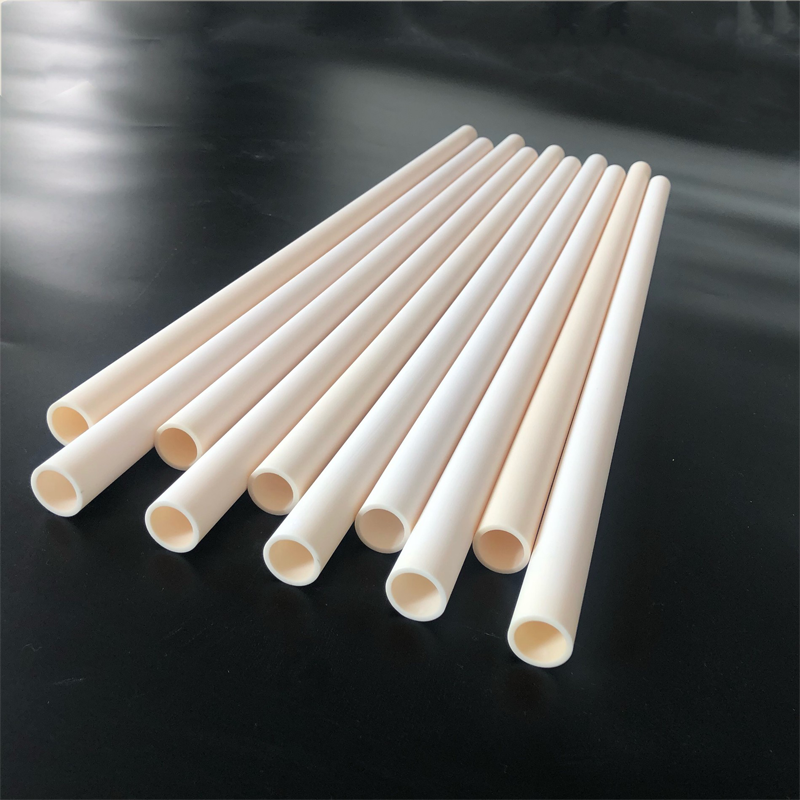
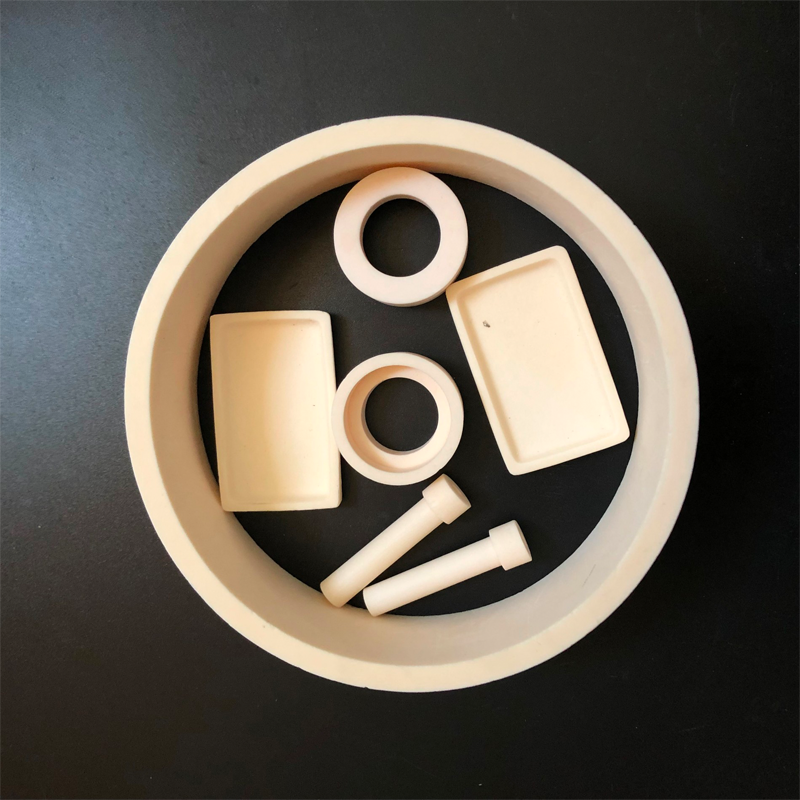
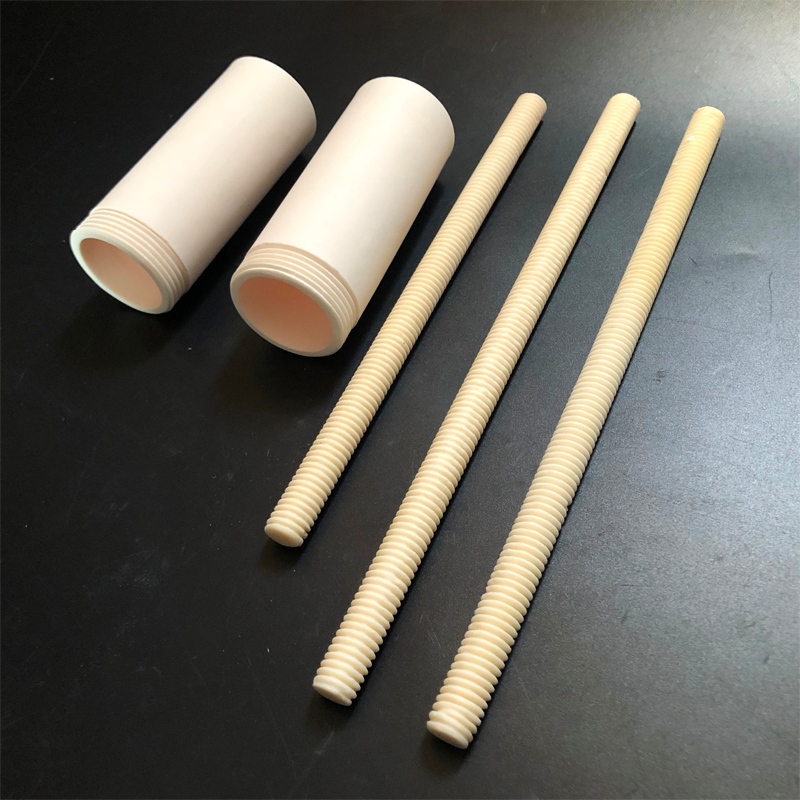
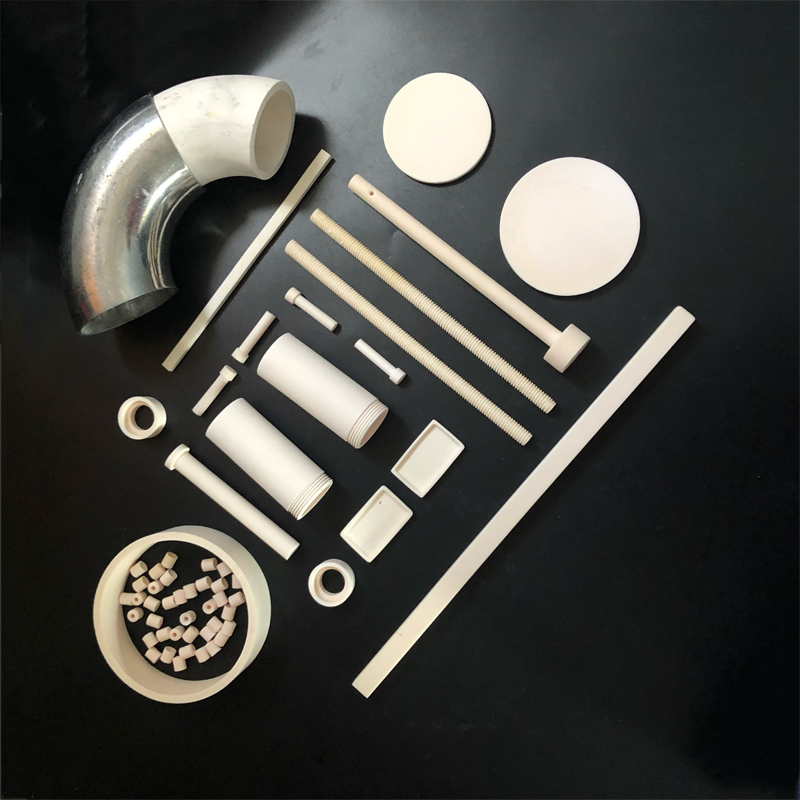
Alumina ceramic is an advanced ceramic material made from high-purity alumina as the main raw material through precision forming, high-temperature sintering and other processes. Compared with traditional ceramics, it has achieved a qualitative leap in performance. Data shows that high-purity alumina ceramic can reach a hardness of HV1400-1800, and its service life is 5 to 10 times longer than that of traditional wear-resistant materials.